3 Studios Reshaping Traditional Dance Education

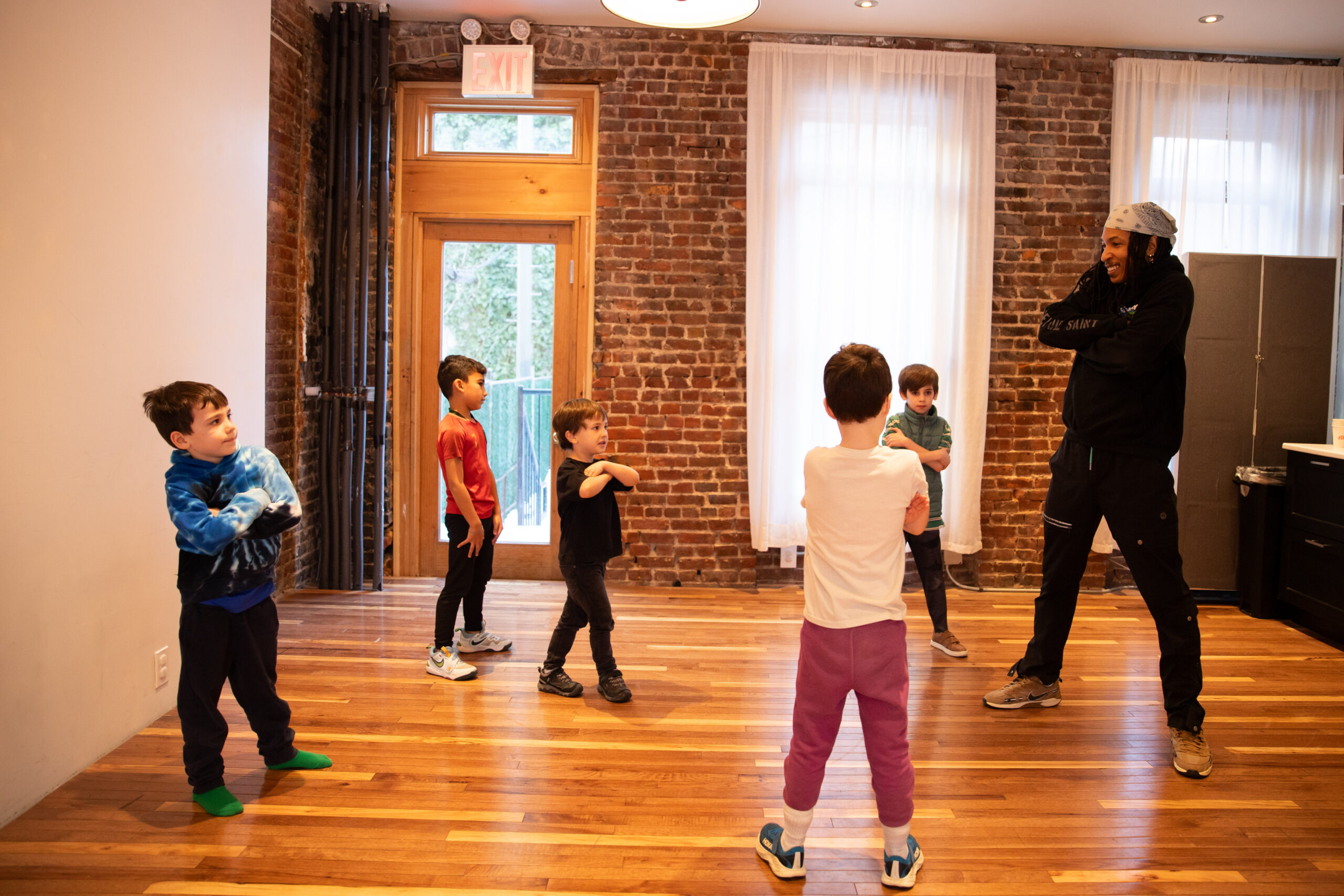
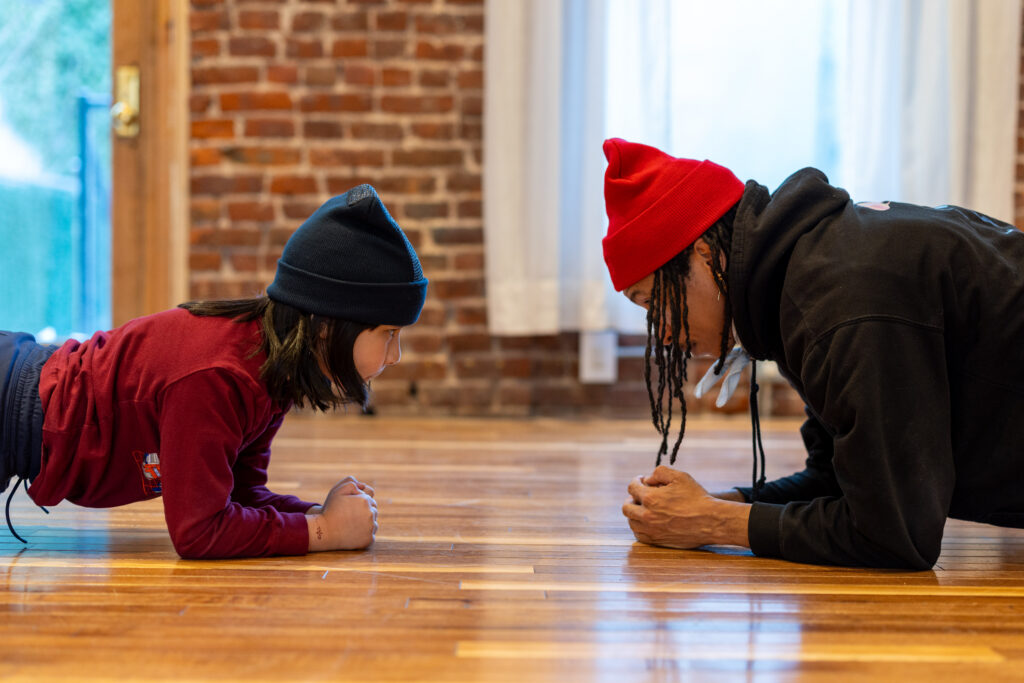
Rikud Studio wants its students to learn how to move based on how they feel, not how they look. That means no mirrors, no ballet, and no recitals.
“We want kids to grow up loving dance for their entire lives,” says Caila Moed, founder and executive director of the studio in Brooklyn, New York, that offers hip hop, breaking, and house classes that feel like a living-room dance party. The studio will soon also be adding classes in vernacular jazz. “Our students are learning to dance without reservations. It’s about the joy of movement, about getting former dancers back in the studio in a way that’s safe, where they don’t have to confront trauma in their bodies by staring in a mirror.”
Rikud opened in January 2026, and in its first 100 days, it had 900 class bookings and grossed $100,000. The studio now has 30 weekly classes serving children, teens, and adults, all taught by working professionals and choreographers. Rikud’s creative and strategic advisor, Andrew Carter (known to students as “Dr. Ew”), serves as master teacher and sets the pedagogy for all breaking and hip-hop classes.
“People are hungry for recreational movement,” Moed says. “The data shows that the majority of kids who enroll in dance will not pursue it as a career, and 90 percent will quit in their preteen years. There’s an opportunity for dance education to rethink its approach: How do we teach kids to love dance and the skin they’re in for all stages of life?”
Moed can relate: She danced with Nicki Minaj in Times Square, appeared on “So You Think You Can Dance” Season 5, and performed with leading Bollywood and R&B artists before stepping away from dance for over a decade. During that time, she worked in philanthropy and the arts, earned her MBA from the University of Oxford, and worked in finance for Goldman Sachs until June 2025. “My training 20 years ago made me into who I am today,” she says. “We need competition- and conservatory-focused schools, but we also need a third category or lane, because your body is always going to be with you.”
Rikud Studio’s approach to recreational programming is just one example of a new wave of studios opening around the country that have a completely different approach from traditional studios. Dance Teacher also chatted with two others that are helping to reshape studio culture, training models, and community engagement.
Fusing Fitness With Technique
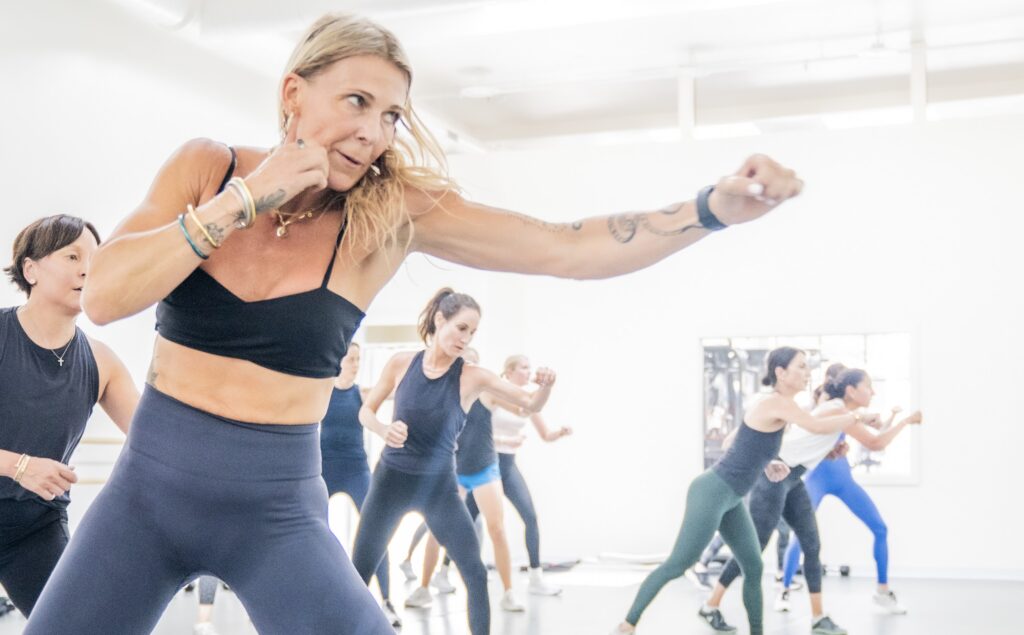
In San Francisco, The Collective Studios bills itself as a movement sanctuary “where strength meets grace”—an apt description considering the front half is a gym and the back half is a 55-by-25–foot dance studio. The duo behind the business believes in celebrating movement through fitness. “We’re not stuffy or pretentious,” says co-founder Carrie Kaufman. “Come take class and don’t be stressed about what level you’re in or what leotard you have to wear. Anyone can join.”
Kaufman has a background in marketing and event management and is a yoga teacher and ballet instructor. She opened The Collective Studios with Jaime Diaz, a former dancer with Boston Ballet and National Ballet of Cuba who is also a professional trainer certified by the National Academy of Sports Medicine. Diaz had been teaching at San Francisco Ballet until the pandemic, when he started to focus on personal training.
Kaufman’s ballet-dancing daughter worked with Diaz throughout that time, and “he became a part of the family and soon was training my husband and son. We all fell under his spell,” Kaufman says. “Jaime and I joked about opening a space like this for a few years, and then, out of the blue, he messaged me about this building and said, ‘What do you think?’ ”
The lease was signed, the buildout started in January 2024, and The Collective Studios opened in spring 2025. “We originally tried to offer everything and quickly learned to finesse what was popular and what we’re good at,” Kaufman explains. “We see a lot of professional and pre-professional dancers who come for additional strength training that they might not get otherwise.”
In addition to open gym sessions and sessions with a personal trainer, the studio offers several weekly dance genres and fitness classes. Upcoming workshops include a summer intensive for advanced pre-professional and professional dancers ages 15 to 20 focusing on ballet, variations, contemporary, and strength training, as well as an “adult ballet lab” for intermediate adult ballet students. Even though there may be a slight emphasis on ballet versus other dance styles offered, Kaufman is clear: “We are not a ballet school and we don’t want to be a ballet school.”
Bringing Flamenco to New Communities
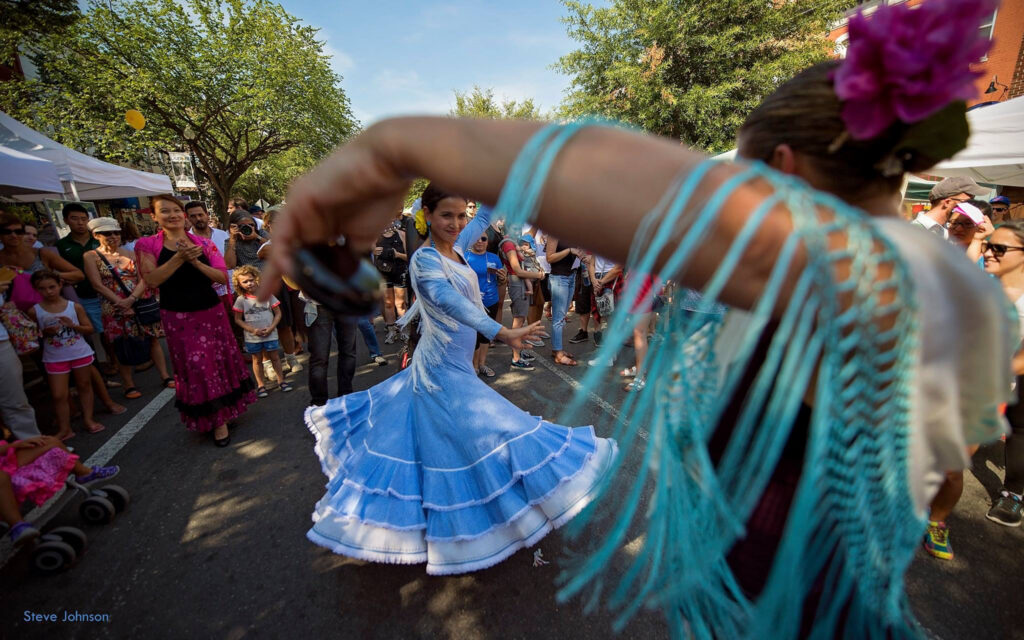
Magdalena started teaching flamenco to adults in 1995 as an independent instructor in New York City at Fazil’s Studio. When she moved with her family to Washington, DC, in 2013, she started her business over from scratch. First she taught at afterschool programs and then, motivated by spending additional time with her young daughter, she created a curriculum called Flamenco 4 Kids!, which has since been taught in a dozen schools to hundreds of kids ages 3 to 13.
After the pandemic, Magdalena rebuilt her clientele base again. She now has a permanent studio space on the second floor of a fitness facility in Northwest DC and expanded her program (under the name “Dance Flamenco DC”) to include adults. Her students learn about the culture and history of flamenco and how it is an interplay between dance, music, lyrics, and rhythm. “I don’t look at flamenco as just a dance form. I sing for the students, I play the cajón [a box-shaped percussive instrument]—it’s a package deal,” she says, adding that she now has about 50 kids and adults enrolled. “It’s been a slow and steady climb in growth, with a lot of word of mouth and people telling their friends.”
With a goal of bringing “authentic sights, sounds, and movements of Andalucía” (as per the company’s website) to the region, Magdalena provides her advanced adult students regular opportunities to perform at community events, which also helps with student recruitment (though most sign up after hearing of her by word of mouth). And, thanks to a grant awarded in 2025, Dance Flamenco DC now offers a program called Fire Within, for clients experiencing trauma. Each week, women can bring their children and experience a mindfulness session before taking a beginner technique class. “The percussiveness of flamenco can be healing,” Magdalena says. “The connections that happen in the brain with rhythm and movement help with its rewiring. It can help reduce symptoms of trauma.”