How to Keep Studio Rivalries From Turning Toxic

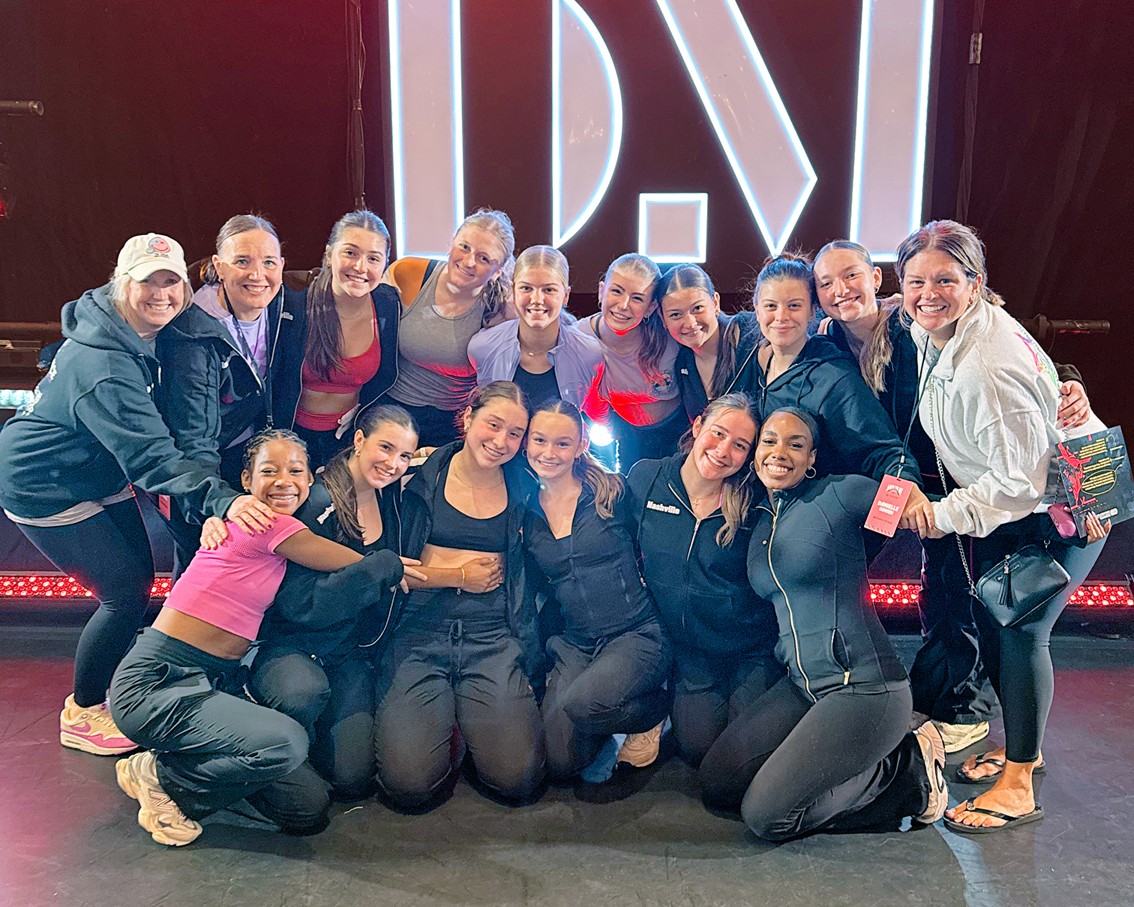
From the moment dancers arrive backstage in their matching studio jackets, competitions can ignite healthy feelings of pride, unity, and belonging. But what happens when team spirit crosses the line into resentment, or even hostility, towards other competitors?
If left unchecked, studio rivalries can negatively impact dancers, teachers, and parents alike. But studio leaders and competition staff can help cultivate a healthier competitive environment that will allow everybody to perform their best.
The Real Reasons for Rivalry
Rivalries often stem from a place of insecurity or needing to prove oneself to others, says Ashley Mowrey, a certified life mindset and positive psychology coach who works with dancers and teachers. She encourages studio owners to start an open dialogue with their students when they notice any antagonism towards other studios. “Lead with curiosity and try to understand their perspective,” Mowrey says. “It’s important to validate what dancers are feeling, but gently redirect their focus by asking what they need to feel confident about their own performance going into the competition.”
Often, mere proximity between two studios is enough to create some tension—especially if students or teachers have switched, or been enticed to switch, from one team to another in the past. Mowrey says there’s a greater chance of rivalries developing amongst local studios who compete against each other frequently. “It can start to feel like your little competitive bubble is the most important thing in the world,” she says. “Introducing some variety in competitors can prevent burnout and broaden your dancers’ perspective.”
Danielle O’Brien, owner and director of 3D Dance Studio in Whitehall, Pennsylvania, purposefully attends competitions several hours away from her studio to avoid that kind of friction. “We get to build friendships with teams from all over, and don’t have to think about our teachers or students getting scouted by neighboring studios,” she says.
Reframing Rivalry
The best way to combat tensions outside the studio is to build a strong identity and culture within your own, focusing not on trophies but on process. “Research in sports psychology shows us that high-performing athletes who focus on an aspect of their process rather than the actual outcome tend to perform better and are less anxious,” says Mowrey, who leads mindset skills workshops at Embody Dance Conference. “Encourage dancers to go into competitions focused on what they can control, like their storytelling or an aspect of their choreography.” This approach can be beneficial on a studio level too. “If you’re a studio that really cares about performance quality, for example, lean into that and own it as a strength that sets you apart from other studios,” Mowrey says.

Embody Dance Conference founder and director Olivia Zimmerman reminds studio owners that there is enough success to go around for everyone. “From a business perspective, I understand how wanting to uphold your reputation or increase enrollment can raise the stakes of competition results,” she says. “But rivalry turns into respect when studio directors are secure in their own programming, using competitions as a tool for growth and not a measure of worth.”
Setting the Standard
Studio directors, teachers, and parents can prevent harmful studio rivalries from rising by setting clear examples—and making sure everybody is on the same page.
“If teachers see me as the studio director gossiping and giving dirty looks at competitions, they’re going to model that behavior, which trickles down to the parents and eventually the students,” O’Brien says. “I have everyone sign a contract at the beginning of the year that sets expectations on how to behave and represent the studio.”
While a little studio pride is healthy, Zimmerman emphasizes that community-building is the key to longevity in competitive dance. She describes a past Embody event where one studio had a costume malfunction as they were about to perform, and another studio stepped in to provide backup costumes for the group. “When the number that used the borrowed costumes ended up winning the highest-scoring routine of the weekend, I was initially worried about how the results would land among the competition,” Zimmerman says. “When I saw both studio directors high-fiving and celebrating together, it was a powerful reminder that when leaders are secure, competition and community don’t have to cancel each other out.”