San Diego Academy of Ballet Students Find Global Success Through Vaganova Training

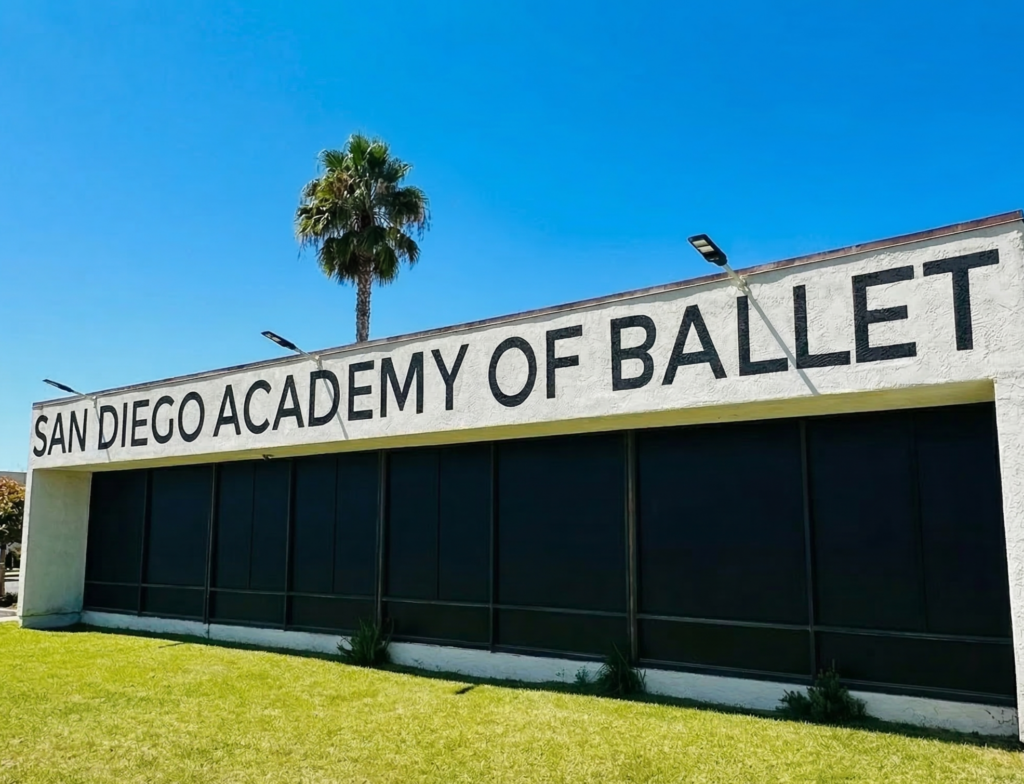
Since 2021, San Diego Academy of Ballet has sent six students under age 13 to some of the most well-known U.S.-based and international summer intensives—School of American Ballet, The Royal Ballet School, Paris Opéra Ballet School, John Cranko School, Royal Danish Ballet, ABT’s Jacqueline Kennedy Onassis School, and more.
The SDAB is led by Simone Gabrielle, director of operations. Her secret to success? Maintaining the high standards of Vaganova-based training while nurturing students’ self-love to support their childhood development.

Gabrielle’s path to coaching has been anything but linear. From ages 4 through 17, she trained at the now-defunct California Ballet School, which is where she first met principal dancers Sylvia and Maxim Tchernychev. The Tchernychevs later founded SDAB in 2001 with a foundation of strict Vaganova training learned from Romanian ballet master Marius Zirra and a career at the Bolshoi Ballet, respectively.
Gabrielle’s parents encouraged her to attend college, so she quit ballet cold turkey and earned degrees in political science and Spanish. But the loss of ballet followed her: “I was absolutely haunted by ballet,” says Gabrielle, “but I was also very much interested in learning about the world and experiencing the world outside the ballet studio.” She returned to ballet a few years later and began training and performing with SDAB, but after five years, she quit again to move to Los Angeles and pursue work outside the dance industry.
In 2021, when Gabrielle learned Sylvia was considering retirement and the impact that might have on SDAB’s operations, she asked if she could step in to keep the place afloat. “The founders had an uncompromising Vaganova foundation that was not and is not present in the other ballet schools in the region,” she explains. Closing was unfathomable, so, alongside Sylvia Tchernychev, Gabrielle rebuilt the academy, adding in her own unique perspective as someone who spent over a decade outside of the industry.
Here, Gabrielle shares with Dance Teacher how she blends the rigor of classical ballet with positive affirmations and strict boundaries—leading to success for numerous aspiring ballerinas.
How would you define your training approach?
I’ve learned that if you have high standards with a tremendous amount of self-love and confidence-building exercises for the child, compounded by what many consider extreme boundaries [maintaining strict enrollment standards and enforcing respectful parent behavior], this cocktail honors the evolution of culture and society without diluting the essence of classical ballet. I’m not trying to redefine ballet. I’m merging the foundation of elite Vaganova training with the chameleonization of empowering children and creating uncompromising standards around that.
What does merging high standards with holistic development look like in practice?
I think it’s so important to train children with high expectations so that they are able to equate challenging things with something they can do versus something they can’t.
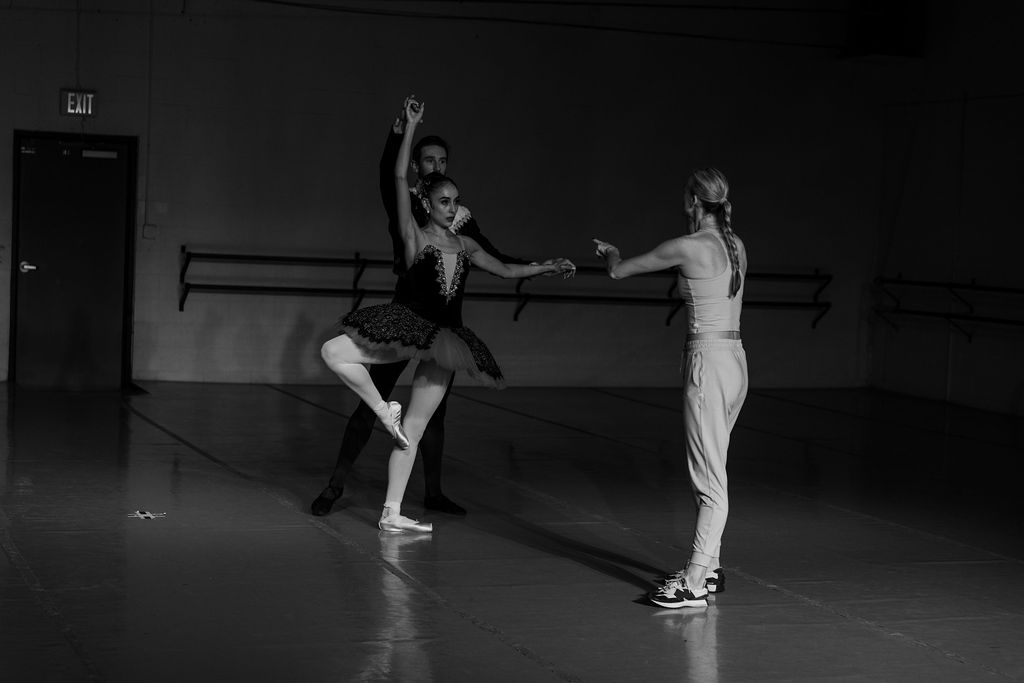
I take a pretty challenging adagio exercise, for example, and before I choreograph, I’ll tell the class: “Repeat after me: ‘I can do this. I can do hard things.’ ” Throughout the exercise I’ll go down the line and say, “Don’t give up,” “You can do this,” “One more second.” I encourage them as they’re training. And no one gives up.
What has led your students to find success at some of ballet’s top summer intensives?
We teach for aptitude, not age, which is very unorthodox for the industry. What keeps happening in auditions, year over year, is they see 10- or 11-year-olds with a technical foundation you would typically see from a teenager. But more than that, you see an individual artistry, which is typically coached out of ballet students and then hypocritically layered back on. I maintain and enrich the individuality of the child in their training and I make sure they have an identity outside of a technical foundation.
What are the pillars of your methodology?
I require journals for every student. The journals ensure that the child is able to document corrections and affirmations. This creates a documented written record that the child can reference and build upon, and also helps the mind and body create a historical record of compounding progress.
I incorporate a tremendous amount of social media in the sense that I’ll stop class and we’ll watch three or four videos on my phone. I want to make sure I pool the resources that are available to me in ways that weren’t available 10 years ago without diluting the authority of who is in charge of the class. This creates a lightness to the class which I think helps balance the high standards.
I focus on quality over quantity. The amount of time spent at a studio does not equate to quality training. I don’t want, nor do I advocate for, a packed schedule for a child. The way I manage that is I focus on packing the most punch while they’re there and then sending them home.
What is your goal for students as their coach?
I think the best thing I can do as a coach for children who do want to go pro is get rid of them. If I’m really doing my job, they’re not at SDAB. They’re getting recruited and getting offers to study elsewhere. The biggest gift I can give a child is opening a door for them that would not even be present otherwise.