
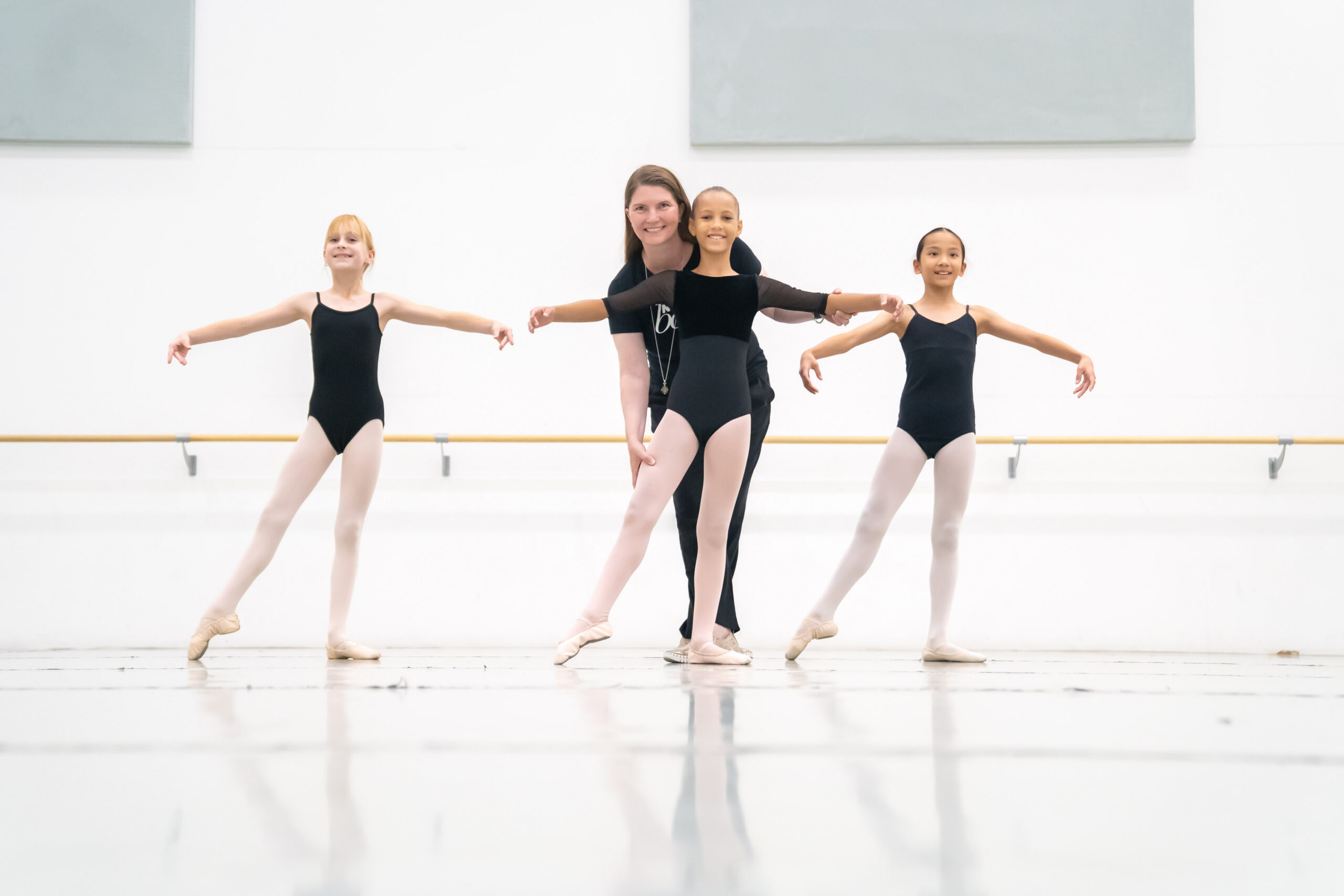
How San Jose’s New Ballet Built a Community Through Dance

When New Ballet was founded in 2016, it marked a new beginning for dancers and staff of the suddenly bankrupt Ballet San Jose. Dalia Rawson, New Ballet’s artistic and executive director, had spent 15 years performing leading roles with Ballet San Jose and another 15 on the school’s staff. “We wanted to find a way for us to continue sharing ballet training and ballet performance with our community,” says Rawson, who led Ballet San Jose’s former administrative team in the endeavor of starting an entirely new corporation. Within months they were operating in the black.
Now, 10 years later, New Ballet is thriving. As the only American Ballet Theatre–certified school in the region, New Ballet hosts over 200 year-round students and offers more than $100,000 in scholarships annually. The organization stands firm in the belief that “Ballet is for everyone,” leading to a robust outreach program and accessible Nutcracker performances. With severe economic inequality in San Jose, 80 percent of New Ballet’s outreach students are Hispanic, and all are designated low-income by the State of California.
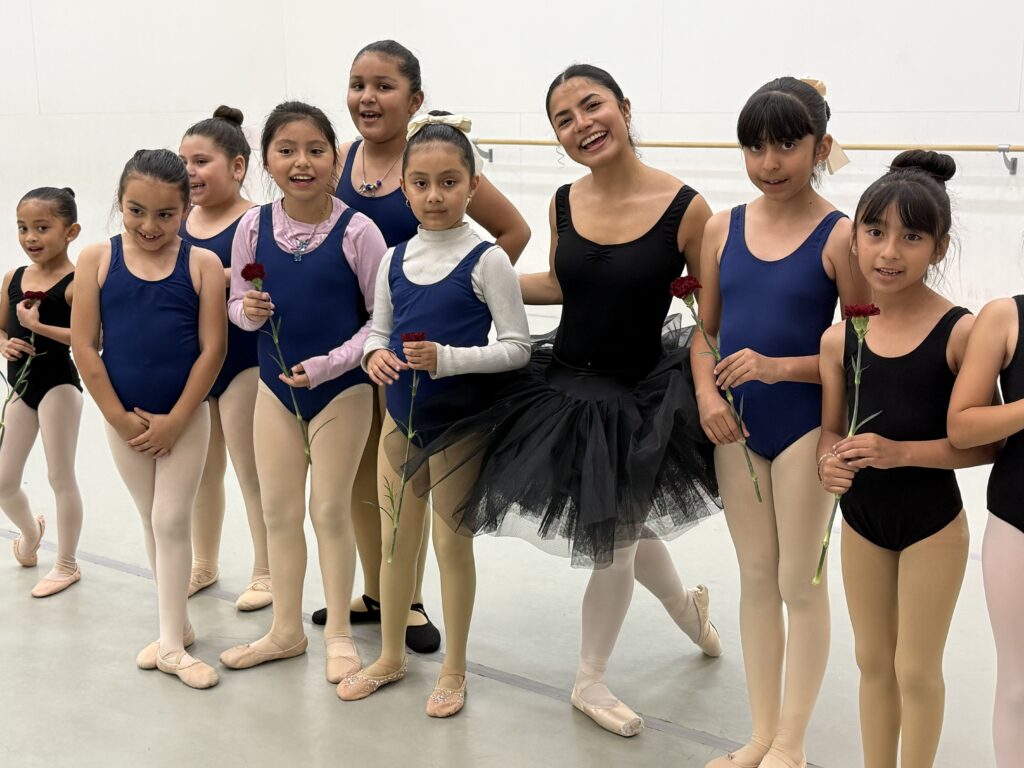
Each year, New Ballet offers on-site classes for local Title I elementary schools, a trial semester for students from such schools (nominated by their teachers), full scholarships for 20 talented students, and free uniforms for New Ballet’s First Steps and Continuing Scholarship students, as well as pointe shoes for select Continuing Scholarship students in need. Students from the First Steps program, which offers 18 weeks of New Ballet studio training for first- through third-graders from Title I schools, have gone on to complete the highest level in ABT’s curriculum, compete at Youth America Grand Prix (YAGP), and dance professionally.
Here, Rawson and Laura Burton, New Ballet’s director of marketing and strategy, share with Dance Teacher what they’ve learned about serving their community for the past decade.
How do you start making connections in the community? What challenges do you face?
Burton: Find organizations that are doing it well and reach out to them. One of our board members who works with Ballet Folklórico, Cashion Cultural Legacy artistic director Samuel Cortez, let us know that [schools] really want residencies; they don’t want you to just come one time and teach a class. They want you to come for a couple of weeks or once a month, something that’s more consistent. Feedback from someone who is also establishing these outreach programs was really useful.
Once COVID hit, getting back in [to schools] became impossible. So, I really changed some models, and that’s when I started having the teachers nominate the kids. Just tell us who you want to come to our program. We would still love to come on campus because there are kids that don’t know they want to dance until they’re in class. So, we’re going to try a residency model and ease that burden on the administrators. We’re always ear to the ground to see how we can pivot and best suit our population.
What advice do you have regarding applying for grants?
Rawson: People have very specific types of programs they want to fund, and it can be a challenge to find the right program. Oftentimes, you’ll need to keep applying for multiple years. Meet the funders, talk to them, understand why your grant wasn’t accepted that first year. Coming back, making changes, doing outreach, talking to grant panels and grant panelists, and really listening to what they want can make some new doors open. Have a clear vision of what you want to do.
As you enter the next decade, what’s your vision for the future of New Ballet?
Rawson: I would love to see us grow with satellite locations in community centers. So our whole community can have access to really thoughtful artistic ballet training. I’d love to see that all over our San Jose neighborhoods, so that we can reach kids where they’re growing up.
Burton: My dream is to integrate their school curriculum into ballet. Something that helped me learn multiplication was tap, doing flaps to every single wall. I would love to use geometry, use whatever they’re learning in school, in their dance classes.
I’d love to continue creating connections within the community—Symphony San Jose; Los Lupeños Juvenil, the ballet folklórico youth group that dances in our Nutcracker. Even if it’s not actual dance groups or art groups—like a Sharks player [San Jose’s professional ice-hockey team] coming in during the snow scene—let’s bring the flavor that is our community and really expose people who wouldn’t necessarily know anything about the arts.


