Is Your Studio Flooring Ready for Percussive Dance Classes?

For studio owners and teachers looking to expand their class offerings, percussive dance can be an exciting way to introduce students to new rhythms, sounds, and cultural movement traditions. But styles like tap, flamenco, and kathak come with a practical consideration that other dance forms may not: Is your studio floor equipped to handle them?
Below are some flooring-related factors you should consider before adding percussive dance classes to the schedule.
Understand the Art Form

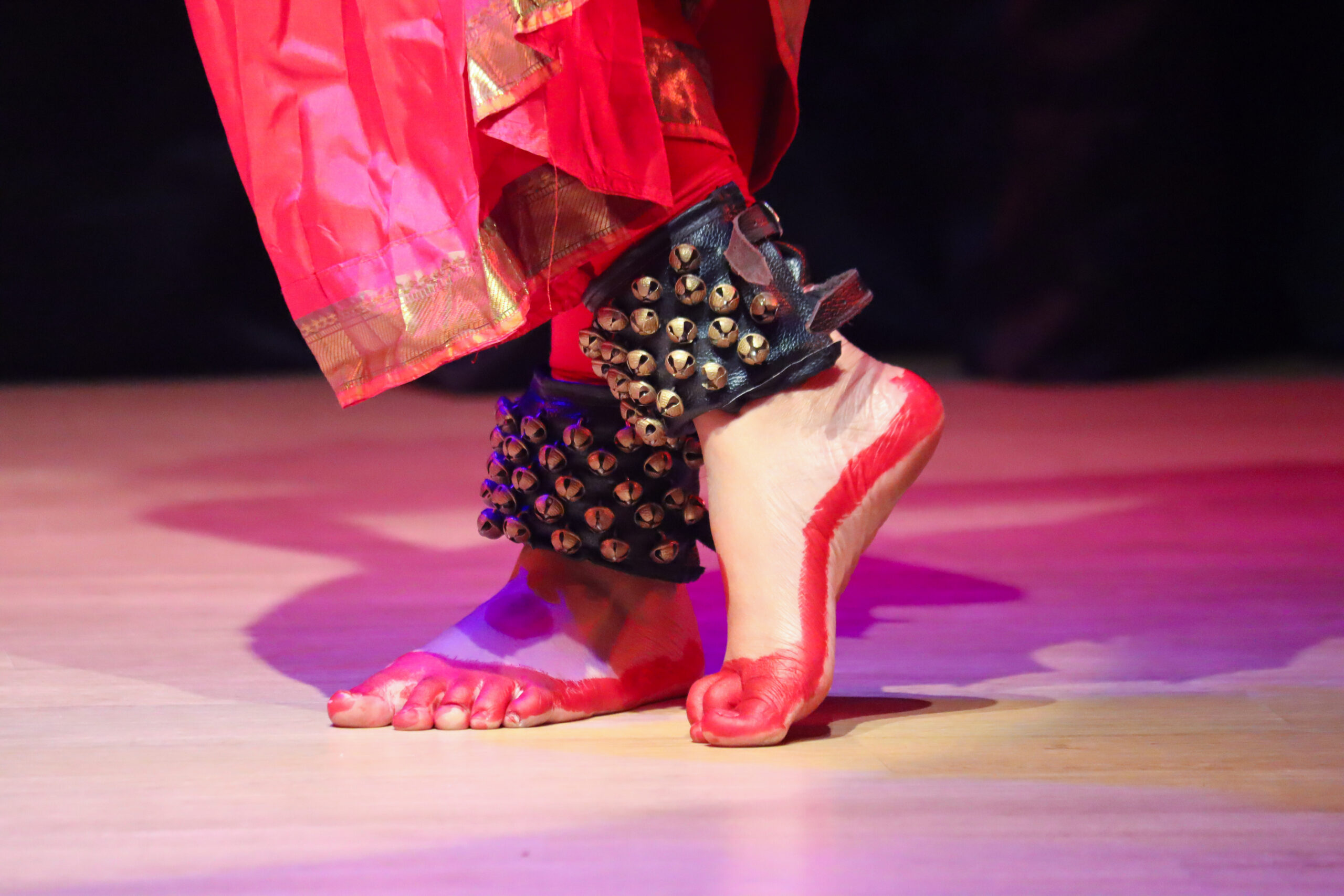
Throughout her notable career, dancer Brinda Guha has discovered what makes a space both effective and ineffective for percussive dance. For Guha, who is trained in kathak and contemporary Indian dance, creating the right environment begins with understanding the form itself.
Percussive dance, particularly South Asian forms, is rooted in centuries of tradition. Guha notes that it’s important to honor its integrity, particularly given the complex histories of colonialism, cultural appropriation, and reconstruction that have shaped how these forms have been practiced and understood. “If you want our discipline, if you want our work, you cannot stifle its integrity in order to have it,” Guha explains. “We find year after year after year, all of these concessions get made for ballet and contemporary artists, but never for noise-making artists.”
As interest in percussive dance grows, Guha cautions against including the form just because there is curiosity around it. Through her work with performance presenters, she’s learned that “there are people out there who just really don’t know who they’re programming or what they’re asking for. They just know there’s a lot of buzz around something, so they want it.”
For teachers, respecting percussive dance forms means diving into the history of what you want to teach, learning the cultural context of the movement, and using that research to provide a more robust and conscientious education for your students.
Consider the Space
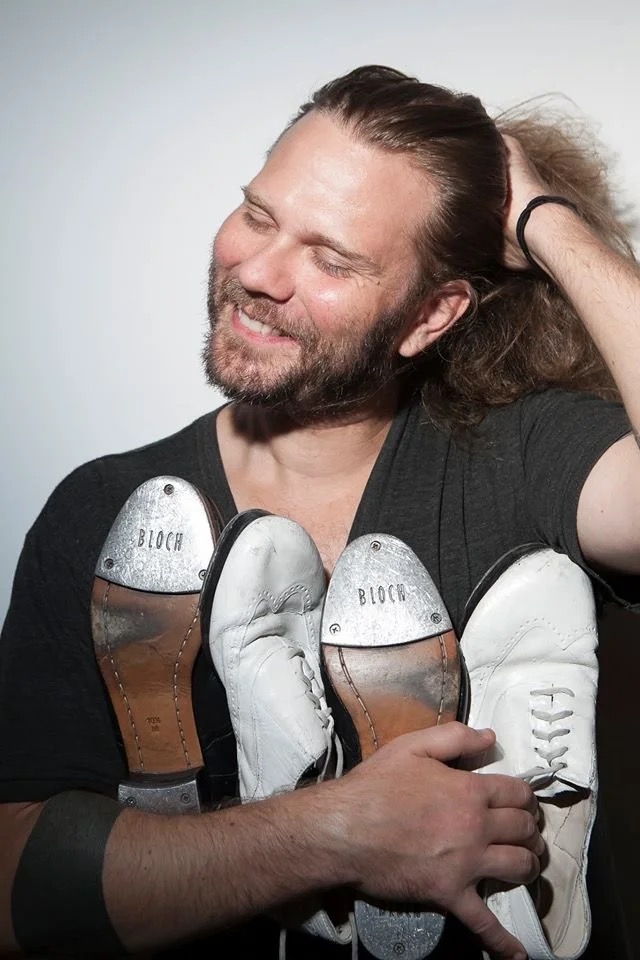
Once you’ve gained the knowledge to teach percussive dance, turn your attention to the space. When award-winning tap dancer and studio owner Nicholas Van Young was designing the Rhythmic Arts Center NYC, a community hub for artists to master rhythm, technique, history, and self-expression, he considered many factors to optimize the space for percussive and rhythmic dance.
“Today, [dance studios] use a sprung floor, or reinforced floor with [foam] blocks…and that’s not what we need. We need hollowed space. We need sprung floor that’s built with a latticework of wood,” Young says. He stresses the importance of how the floor sounds, especially for tap and flamenco. “There are certain acoustics that are needed, and it needs to be a floor that can be beat up and danced on.”
Although not all dance teachers can design the spaces they teach in, understanding what percussive dancers need can create more supportive environments. In his own studio, Young recognizes that dancers need more than just a floor to dance on. “This idea that dance and music belong in separate institutions is a very Eurocentric idea. The focus is to create a space where music and dance are treated as one practice, not separate practices.”
Advocate for What You Need
Not every teacher will have access to an ideal percussive dance space, but knowing what to look for, and ask for what you need, can make all the difference.
“Every time a class is booked, you should ask what the flooring is like. You should always find out beforehand,” says Guha. “It’s ultimately up to the teacher if they want to teach in that space or not.”
“A dance teacher should always feel empowered, if it’s less-than-ideal circumstances, to ask for another space. Because more often than not, a dance studio can switch classes and put you in a space that’s more conducive to your style.”
Protect Your Dancers
Bringing percussive dance to your studio also comes with some safety considerations. Podiatrist Dr. Justin Lewis, DPM, shares a few thoughts on how to prevent injury. “With percussive dance, most injuries result from the repetitive loading of the foot, ankle, and lower extremities onto the floor,” he says. “Teachers should also be aware of the different floor types and understand the stress imposed by dance movements. If the teacher is unsure of what is under the floor, then being cautious with a lower-intensity regimen may be beneficial.”
Lewis also encourages teachers to investigate soreness and refer students to a dance specialist when needed. “It’s the old saying: better safe than sorry,” he adds.
Prioritize the Essentials
Percussive dance delivers an intense impact on the body, making the floor a large part of a safe studio environment.
“The forces through the foot are not as easily dissipated on hard flooring because the surface cannot deform to absorb the energy. This allows the forces to continue upwards into the body, affecting the ankle, lower leg, knee, and pelvis,” Lewis says. “For this reason, a sprung floor can reduce impact, but if you can’t install one, avoid concrete or regular marley floors without any cushion. Instead, look for a flooring system with impact absorption.”
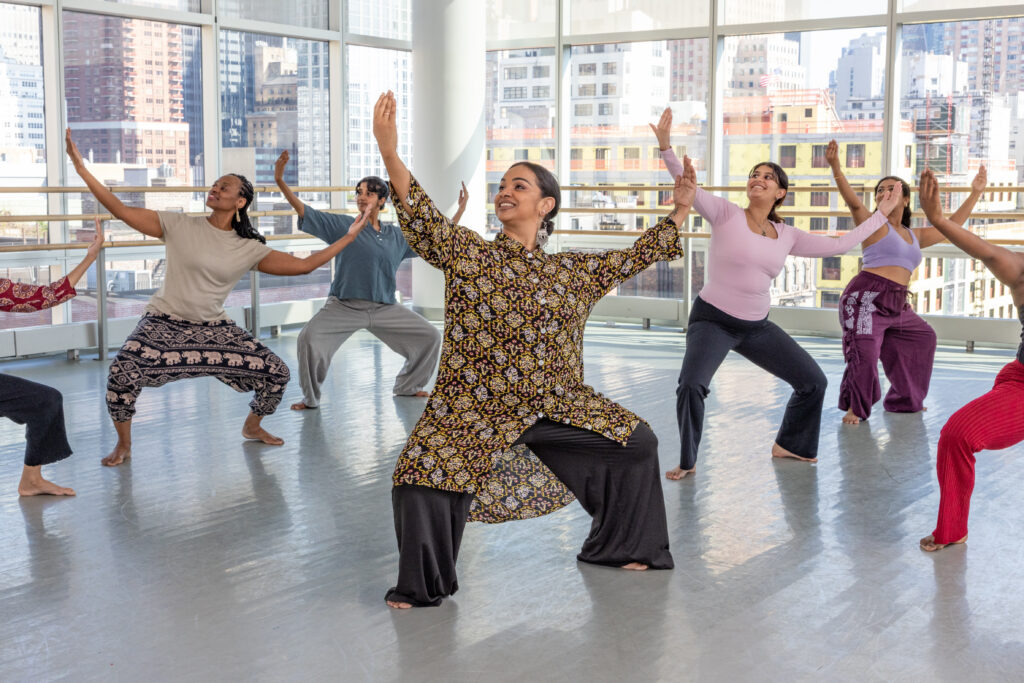
While safety is essential, creating a safe space for percussive dance doesn’t necessarily mean you need to buy the most expensive flooring available.
“Don’t spend $80,000 on a tap dance floor. Build the floor for what you’re going to build it for and treat it with respect, treat it properly,” Young says. A studio doesn’t need the most expensive floor to create a percussive dance space, but being budget-conscious shouldn’t mean you can overlook your dancers’ needs. “[And] don’t let money and budget be the reason that you don’t treat an art form with the integrity it deserves.”