How to Navigate Tough Classes, From the Rowdy to the Removed

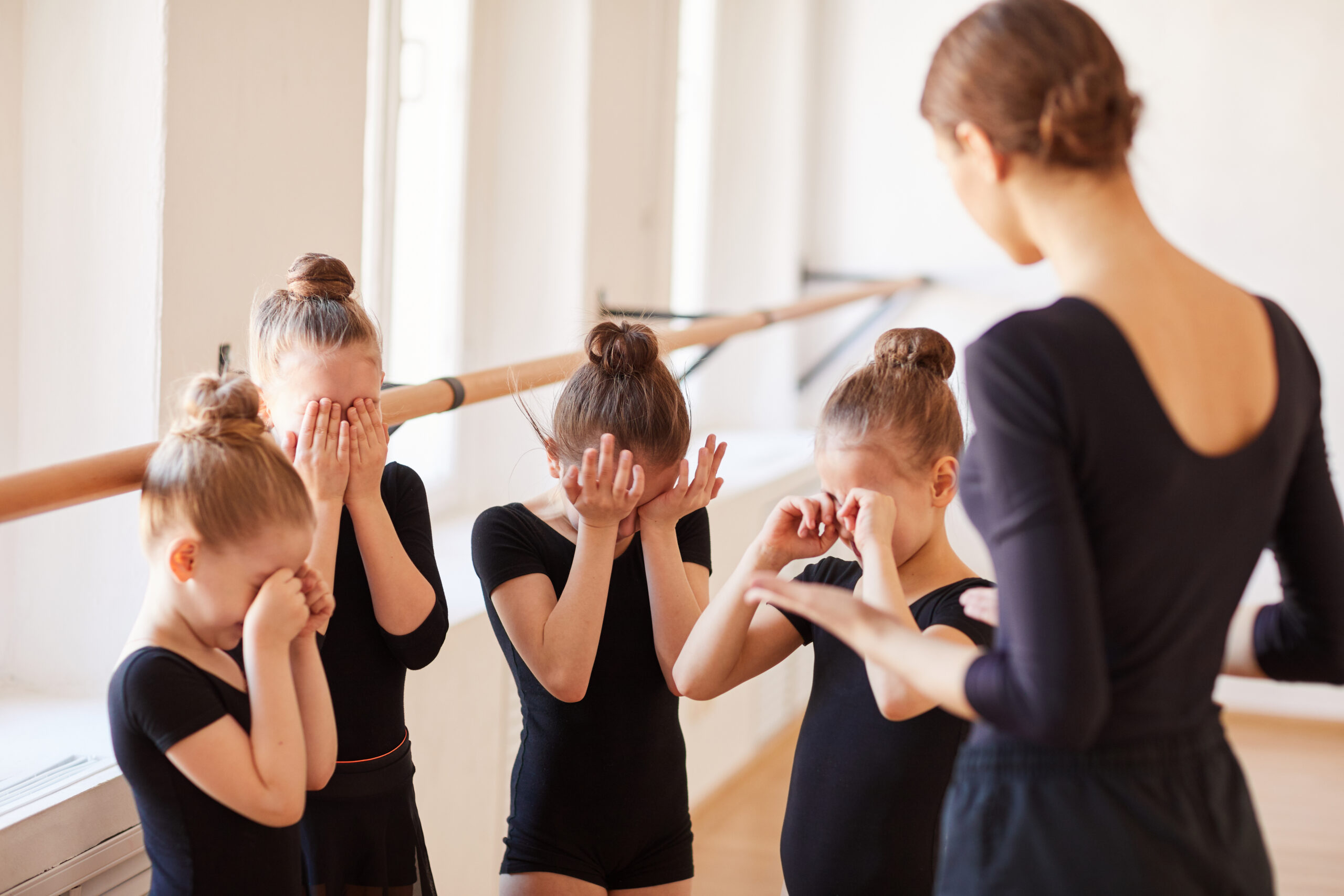
The diverse mix of students’ personalities, backgrounds, and needs is part of what makes teaching dance so wonderful. It creates complex class dynamics, and even entire communities. But in some cases, with certain distributions of personalities or experiences, those class dynamics can become challenging.
When the majority of a particular group is disengaged, rowdy, chatty, or even disrespectful, it can take a toll on the instructor and affect the whole class’ progress. It may also be a sign to reassess your approach.
Here are practical steps dance teachers can take to navigate even the toughest of classes.
Part of the Job
No matter the genre, it’s the instructor’s responsibility to teach students proper classroom behavior. “You can’t expect to walk into the room and just teach dance,” says Angela Cole, founder of the educational platform Full Time Dance Teacher. “Part of being a teacher is imparting etiquette, respect, and work ethic.” And unless you’ve overseen the class from the very beginning, Cole adds that you can’t assume that students know how to behave; they may not have been taught.
That’s especially true for new teachers or for those who inherit classes. “I would say that about 70 percent of kids’ behavior relies on prior experience,” says Vanessa Fuller, founder and owner of XCAPE Dance Academy in Eugene, Oregon. Studio culture plays a big role. But if you learn how to relate to your students, “then it doesn’t really matter what they’ve done before,” she says. Kids are coachable: “It’s about understanding how to connect with them, and establishing your authority in a way that’s not intimidating and makes them feel respected.”
Miles Away
In some classes, the students may appear distracted or disengaged. This often occurs among teens and tweens, says Cole, or if there’s a bad fit with learning styles or difficulty level. For Fuller, step one is to ask the class what’s going on. “Oftentimes the answers will surprise you—‘I had a bad day,’ or ‘I’m tired,’ ” she says. That helps students feel seen, and teachers can adjust their approach accordingly. (Plus, it’s a reminder not to take their behavior personally.)
Sometimes, students act withdrawn because they aren’t engaged enough mentally. Fuller combats this by keeping her pace quick, asking questions, and having students volunteer to demonstrate. “With basic steps, explain how it will help them later,” she adds. “Sometimes it’s not that they need to move more, it’s that their minds need to be activated.” Get creative and ask questions, and don’t be afraid to adjust your lesson plans.
Riled Up
In situations in which students become chatty or rowdy—say, with a younger group—remember context. “It’s not necessarily that they’re behaving badly,” says Cole. “Maybe they’ve been sitting in school all day or are tired from other classes.” They could also be overstimulated or bored. Still, she says, talking over the teacher or out of turn should be addressed.
If a lecture on the importance of paying attention doesn’t work, Fuller will sometimes break the class into groups and have one watch the other execute a combination, sharing what they noticed afterward. “You want to eliminate talking out of turn, but you don’t want to eliminate them communicating,” she says. “You just want to set the parameters in which they do it.” Teachers have to read the room and remain adaptable. “Then you can make that chatty energy productive.”
For older students, Cole says that 9 times out of 10, verbally pointing out disruptive behavior will nip it in the bud. “If a group is being super-distracting, I’ll separate them or ask them to leave the room until they’re ready to focus,” she says. Teachers who aren’t studio owners should communicate with leadership to establish consequences, such as when parents need to get involved. (Conversations with students should be private, not in front of the class, to avoid embarrassment or resentment.)
Crossing the Line
Sometimes, the energy in the classroom can turn disrespectful, or even mean-spirited. Both Cole and Fuller have experienced students interrupting or ignoring them, or disrespecting one other. In one severe case, Cole had to deal with a malicious prank. Drastic cases like that make studio policy and communication critical.
For teenagers, Fuller calls the student out in private. “Sometimes—not all the time—they will tell you what’s going on.” A few years ago, with one especially challenging group, Fuller added a mentorship class in which students responded to journal prompts and openly shared their feelings. “Most of the stuff that came out was about feeling inadequate,” she says. “It made space to learn how to relate to each other better and communicate. It totally changed the classroom environment.” She encourages educators, and especially studio owners, to take accountability. “Ask yourself, ‘Where is the deficit?’ With that group, they really needed more attention.”
For younger kids, Fuller begins with the attitude that they don’t understand the consequences of their actions. “I might stop a class and say, ‘Hey, if I was a student, this is how I would behave. When you’re talking while I’m talking, it makes it difficult for me to teach.’ ” She may also draw comparisons, asking if they’d behave the same way in school. “You’ve got to get kids to think,” she says. For ongoing issues, she’ll talk to parents or guardians as a last resort. “You want your students to be responsible for their behavior and actions, but there could be something bigger going on that the parents need to help navigate.”
The “Bad Guy”
Cole has observed that many teachers fear acting too strict—even with tough classes. This often stems from anxiety about repeating problematic behaviors they saw in their own teachers growing up. “My own teachers caused a lot of emotional trauma and were borderline verbally abusive,” she says. “So my younger self, and many other teachers, went the opposite extreme, becoming too lenient in an effort to have kids like us.”
What that does, she warns, is allow poor behavior and ultimately tarnish the students’ education. Always lead with respect, but reframe discipline as a gift. “Holding kids accountable is a gift—a skill—you’re providing your students,” adds Fuller. “Don’t be afraid to give them that, because it will provide them value that extends way beyond dance.”
Quick Tips
Outline expectations: Have a plan, and stay consistent. Cole suggests writing down expectations for behavior, as well as the corresponding consequences (make sure they align with studio policy). Communicate those expectations with students, and consider inviting them to add their own suggestions.
Assess your aura: “When I first started teaching, I wasn’t confident,” says Cole. “I would frame most corrections as a question.” Kids can tell when you’re not sure of yourself, she says, and can latch onto that. Especially for younger teachers, work on cultivating confidence.
Expand your toolbox: If your students’ eyes are glazing over, consider how your teaching method may not be translating. “For every piece of technique that you teach, you have to have 10 different ways to teach it,” says Fuller. People learn in all kinds of ways, so find which methods work for each group.
Narrate: Rather than demanding or asking, Cole has found success in narrating her corrections to younger students. “Give a task and point out what you want to see,” she says. “Like, ‘I see Eleanor in her butterfly stretch, ready to go!’ All of a sudden, everyone wants to do it.”
Stay relevant: Fuller makes a point to take convention classes with her students and attends open classes when she can. “Invest in understanding kids’ culture and how they operate,” she says. That understanding is critical for any teacher who wants to get through to their students.
Remain calm: Take deep breaths and stay professional. “The second you lose your temper or show that you’re upset is when students start to lose respect for you,” says Fuller. Practice compartmentalizing, and prioritize your mental health both inside and outside the studio.
Ask for help: Cole emphasizes the importance of self-advocacy and seeking support from fellow teachers or studio owners. Asking for help is not a sign of weakness or inadequacy, adds Fuller, but active devotion to improvement.
Have an exit plan: If worst comes to worst, “you have to have the wherewithal to know when to stop,” says Cole. Construct an exit plan if the environment is simply too harmful.