So You Want to Start a Community “Nutcracker”? Here’s What to Know.

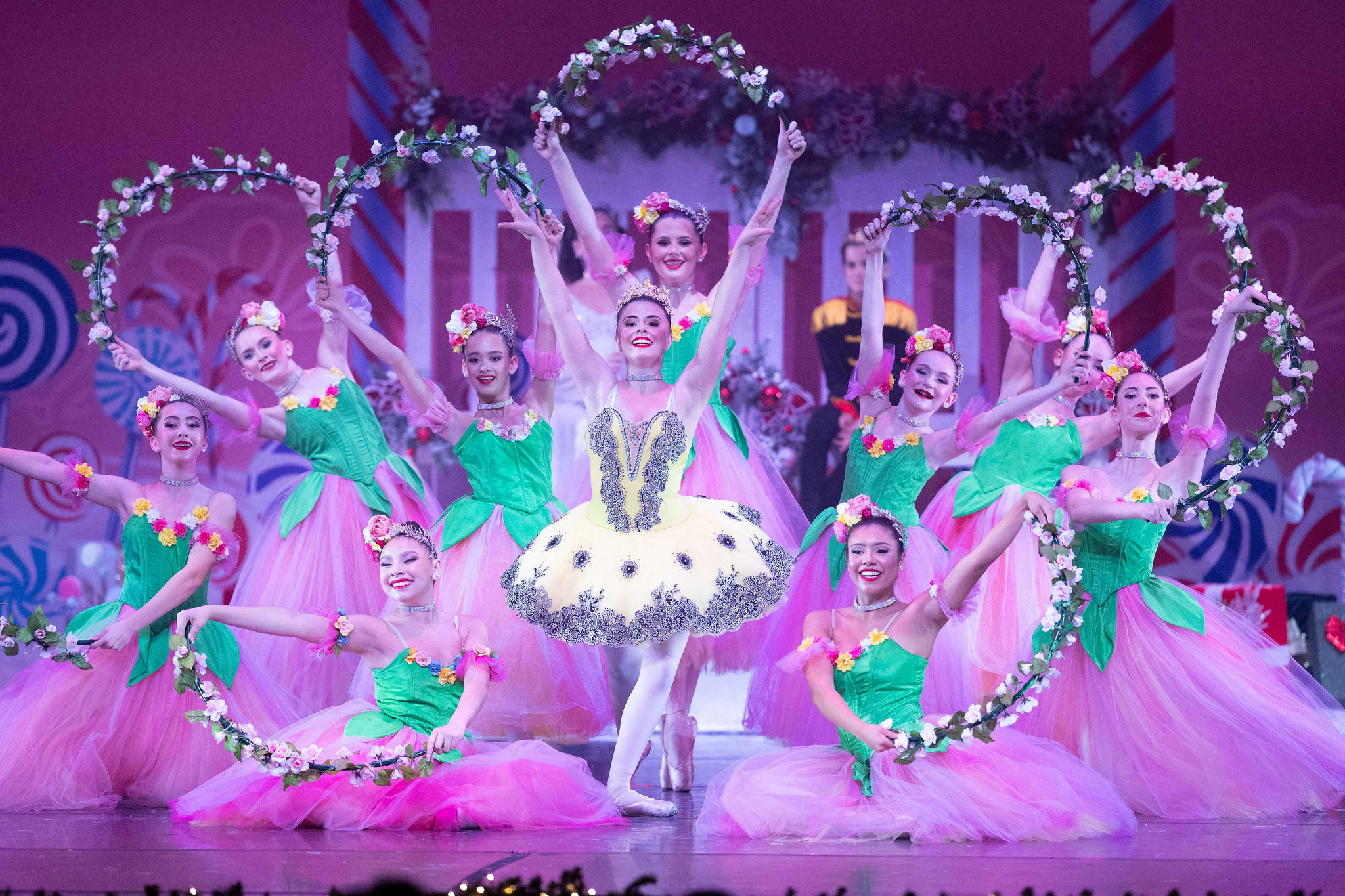
Back in 1998, Kimberly Lewis (the owner of Dance Studio 111 in Phoenix), had an idea: She wanted to put on a Nutcracker that was solely performed by students. While the local kids near her could audition for Ballet Arizona’s Nutcracker, she wanted to give them a chance to dance more roles than just Bonbons or Angels. Plus, she knew that children would enjoy watching other children, so she figured it’d be a hit with families. She was right, and this year will mark the 27th run of her production, The Arizona Nutcracker, with every role performed by students of ages sometimes ranging from 2 to 19 (with the exception of a few parents in the party scene). The production grew so successful that it became the subject of a 2018 documentary, Road to the Nutcracker, which is currently available to stream on Tubi and Amazon Prime Video.
That’s not to say it was easy. It took Lewis approximately two years from the time she decided to create this community Nutcracker until she was actually able to get the first performance onto the stage. “I had to research costuming and costume designers, get all the backdrops, the sets and props made, figure out if I wanted actual falling snow or fog, find a theater, budget out the expenses,” she says.
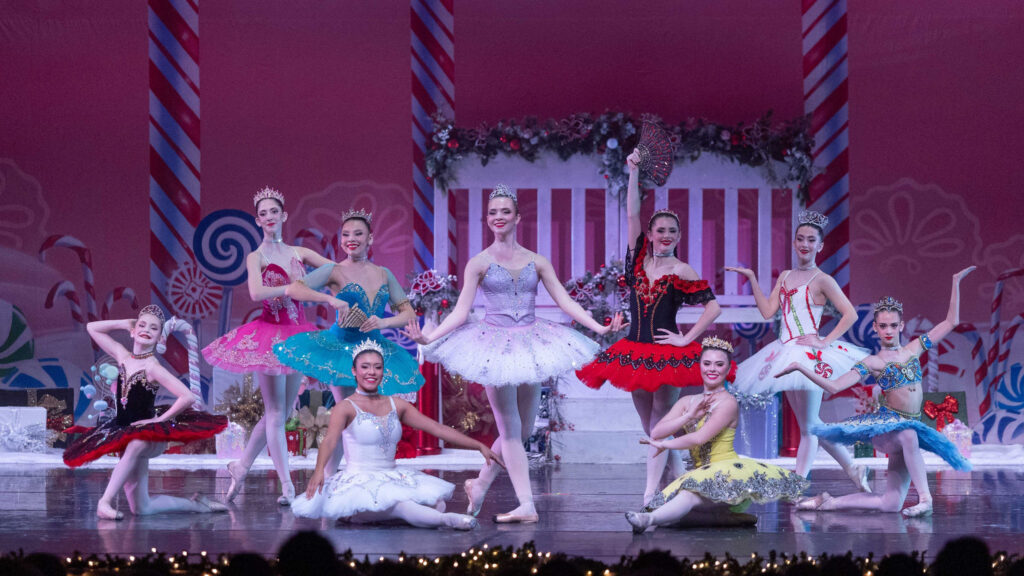
Putting on a community Nutcracker can be daunting. When you don’t have the resources of a professional company but are aiming for something bigger than just a private production within your own studio, the costs can add up, the tasks can feel endlessly time-consuming, and the logistics can become overwhelming.
Yet Lewis has found the payoff is worth it—and she encourages any other studio owners interested in putting on a community Nutcracker to go for it. “You can make it happen,” she says. Here’s what you need to know to get started.
The Timing
To have the performance ready for December, you’ll need to work backwards. Here’s a suggested timeline:
The December before (or earlier): Book your venue. December is a popular month for performances, and theaters fill up fast. Lewis recommends reserving a theater at least a year or two in advance. “I’m booked right now for the next five years,” she says.
June and July: Get the word out about auditions over the summer, recommends Natalia Botha, co-director of Pas de Vie Ballet’s The Nutcracker in Tallahassee, Florida. Fortunately, social media makes it easier than ever to share the info with potential dancers. You can also email, call, or DM local studio owners to make sure they’re in the loop and can alert their students.
August: Botha and Lewis both audition dancers shortly after kids are back in school each fall. Then, as soon as casting is set, they start rehearsals.
Budget Considerations
Putting on a community Nutcracker is not cheap. But there are ways to keep the costs under control.
For starters, Botha recommends gathering a team of volunteers. “There’s nothing more helpful than having a nucleus of parents or other people who really believe in what you’re doing, and want to help,” she says. Botha has one group of parents dedicated to fundraising, and they help raise money by selling poinsettias and asking people, like out-of-town family members and local businesses, for donations or sponsorships. Other volunteers help with costuming or watching kids backstage. “Just let them be where they’re comfortable,” she suggests.
Sponsorships can also help to cover some of the expenses. The Arizona Nutcracker’s venue, The Madison Center for the Arts, is now a partner in their production. Lewis wishes she’d gotten sponsorships earlier, “but it’s hard to get a sponsorship when they haven’t seen the end product,” she says. It might take a year or two before you can really make your case, but start your outreach early to find any potential partners.
Another idea: Some community Nutcrackers connect with regional ballet companies to rent their costumes, sets, and props. If renting isn’t an option, Lewis recommends ordering costumes from a catalog as a budget-friendly alternative to having them professionally made.
Promotion
Social media is an obvious tool to promote ticket sales, whether through targeted advertisements, posts in local parent and community groups, or just compelling content that hopefully gets widely seen and shared.
But there are also analog strategies that work. Lewis spreads the word about her Nutcracker by having her dancers perform in a variety of local charity events. “Wherever I can do a performance, even at a shopping mall or a resort, I’ll call them up,” she says.
Dancers and families from Botha’s company put up posters in any local businesses that will allow them to. Her company volunteers also make postcards that her dancers can hand out to their school teachers, family members, dentists, and doctors, allowing them to sell tickets directly to anyone interested.
Choreography
One of the challenges of a community Nutcracker is managing a different cast with a variety of ages and skill levels each year. Lewis makes sure there’s ample time to learn each dancer’s strengths, get them up to speed, and make any needed adjustments by scheduling full rehearsal days every Saturday through the fall from 7 am to around 3:30 or 4 pm. She also has two choreographers who split up the work and can rehearse two sections simultaneously.
“It’s important to take your time to view the talent and consider the specific area that each dancer might excel in,” says Botha, who shares the choreography duties with her husband, Charles Hagan. Once rehearsals start, they don’t hesitate to change the choreography as needed so dancers can display their areas of expertise (particularly in soloist roles), she says.
The Impact
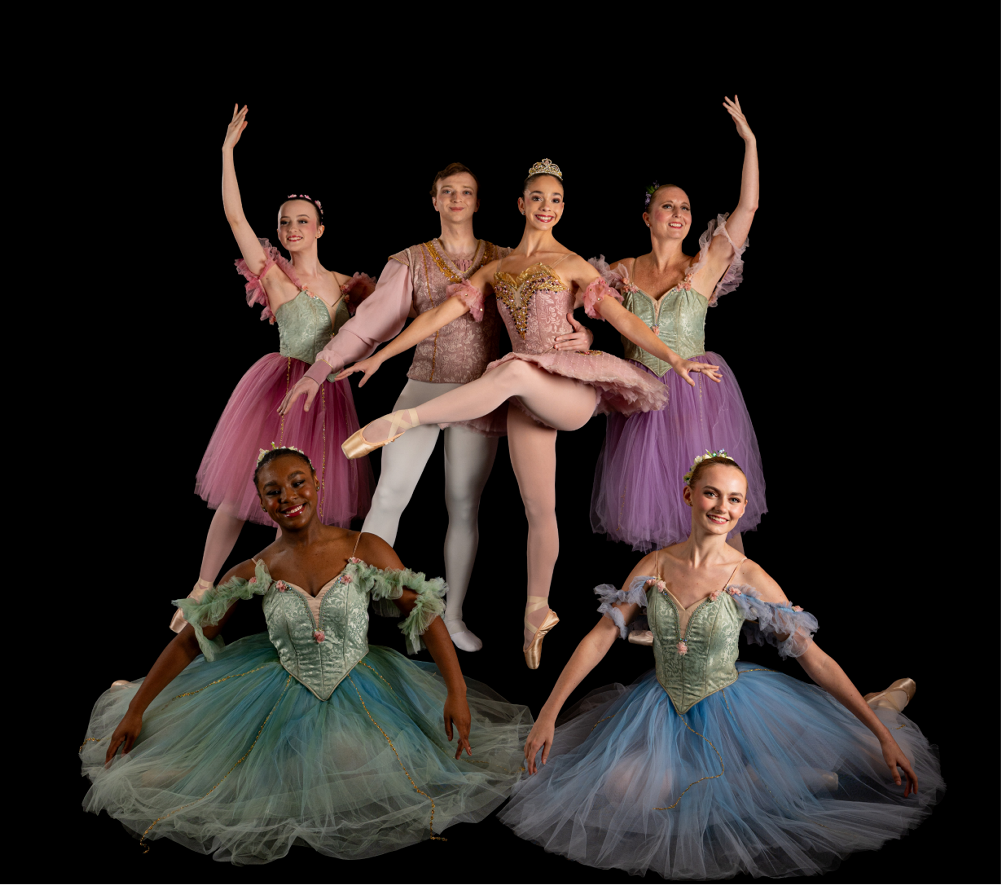
As much work as it can be to put on a community Nutcracker, it can make a major difference in the lives of dancers for years. “Some of my closest friends are people I’ve met through Nutcracker,” says Amalie Lachaussee, a 17-year-old who’s performed in Lafayette Ballet Theatre’s Nutcracker eight times.
One of Lachaussee’s favorite parts of dancing in the Nutcracker has been getting to meet the professional dancers LBT hires to perform Sugarplum Fairy and the Prince. One year, she connected with former Pacific Northwest Ballet principal Lindsi Dec, and then got to perform in her company.
“Being a community Nutcracker, it creates a wide web,” she says. “It’s such a special experience.”