Prioritizing Safety at Dance Conventions

Dance conventions are an exciting part of a dancer’s year: fast-paced weekends filled with new choreography, artistic inspiration, and opportunities to learn from industry professionals. Behind the excitement of packed ballrooms and high-energy classes, however, lies an important responsibility for educators: keeping dancers physically safe.
“Safe dancing is smart dancing” is one of my deepest-held mantras. My fellow educators Shannon Atkins and Tracie Stanfield, who both teach at Broadway Dance Center, along with orthopedist Dr. Jessica Gallina, share the belief that safety must remain central to effective teaching at conventions.
Through thoughtful choreography, clear cueing, and adaptability to different environments and levels, teachers can protect dancers’ well-being while still creating meaningful artistic experiences.
Adjusting to the Ballroom Floor
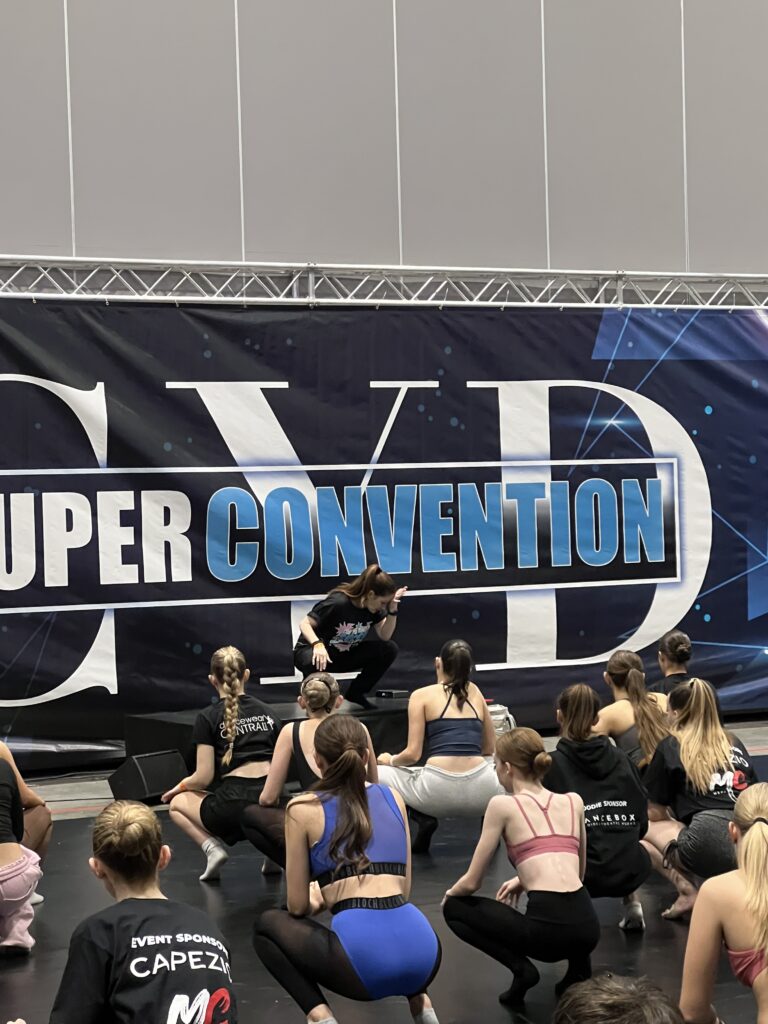
One of the biggest challenges at conventions is the ballroom itself. Unlike traditional studios, convention spaces rarely provide ideal dance flooring. Marley floors are uncommon, and dancers are often working on carpet over concrete.
For this reason, Atkins avoids movement that increases the likelihood of collisions or injury. “Even when jumps are included, they are often more stationary rather than traveling,” she explains. Instead, Atkins focuses on “musicality, texture, and style,” allowing dancers to feel artistically challenged without taking unnecessary physical risks.
“In general, carpet over concrete is a problematic floor to dance on,” says Dr. Gallina, a foot and ankle specialist. “There is no shock absorption from the concrete.” Without proper support, repetitive impact can quickly lead to overuse injuries. Gallina warns that “repetitive jumping or stomping can result in stress fractures of the foot or leg.” She also notes that carpet creates its own hazards because of the inconsistent friction between the floor and the dancer’s foot or shoe.
“The carpet is also dangerous because of the unpredictable grip between the foot/shoe and the carpet,” she explains. Unlike marley, carpet can suddenly catch during turns or directional changes, potentially causing “ligament or tendon tears of the foot, ankle, or knee.”
Because of these risks, Gallina says she would “avoid choreography with repetitive jumping, tumbling, or fast turning combinations” in convention settings.
Rethinking Choreographic Choices
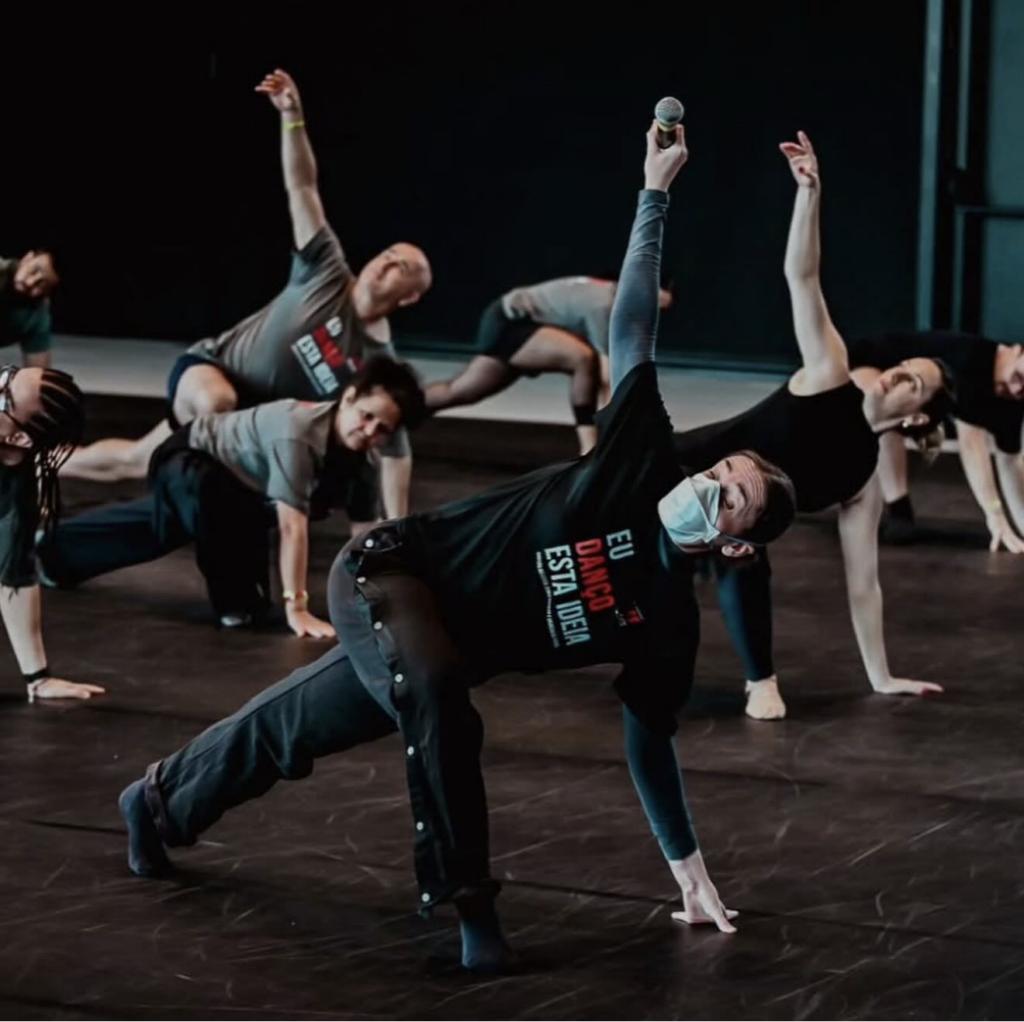
For many convention teachers, safety considerations directly shape the movement vocabulary they bring into the classroom. In my own convention classes, floorwork is minimal, if included at all. Jumping also takes a backseat. Instead, I focus on the quality and intention of movement, emotional connection, and personal interpretation.
There are countless artistic goals that can be explored in a classroom setting, and convention environments often require teachers to reconsider which physical risks are truly necessary.
Stanfield approaches convention choreography with similar awareness. “In my convention classes, I’m aware of the environment and make choices based on the safety of the dancers,” she says. Stanfield considers “the surface of the ballroom floor, the number of dancers in the room, and the mixed levels of experience and confidence” before creating movement material. Rather than relying on risky tricks or high-impact movement, she prioritizes “artistry skills, pathway-driven gestures, level changes, and texture of movement.”
Eliminating movements that place excessive stress on the body does not diminish artistry; rather it allows an opportunity to really focus all in on these concepts that sometimes get pushed aside for flash.
Teaching Progressively
Beyond choreography, it is necessary to emphasize the importance of progressive teaching methods.
When introducing more advanced technical skills, for instance, Stanfield first teaches “a progression of skills before adding them into choreography or phrases.” This layered approach allows dancers to build confidence and body awareness before attempting more difficult movement.
Offering options and modifications also helps dancers work within their comfort levels while reducing injury risk, which creates an environment where dancers feel successful regardless of technical level.
“Younger dancers are still developing spatial awareness,” Atkins adds. “I try to create combinations that allow them to move safely while still being challenged artistically.”
Creating a Safer Convention Culture
Convention teaching ultimately requires adaptability. Sprung studio floors absorb impact and support dancers’ joints, while carpet over concrete places additional stress on the ankles, knees, hips, spine, shoulders, elbows, and wrists. As a result, certain movement choices simply do not belong in those spaces.
Across all of our classrooms, aggressive floorwork and high-impact movements are intentionally avoided. The goal is not to limit dancers but to create an environment where they can continue growing without unnecessary physical strain.
Dr. Gallina also recommends practical adjustments dancers can make themselves. “In general, I think wearing shoes is preferable to being barefoot on this type of flooring,” she says. “Supportive footwear, such as jazz shoes, can reduce stress on the feet and help prevent dancers from sticking to the carpet during turns.”
At the heart of convention teaching is care for dancers’ physical, mental, and emotional well-being. Prioritizing safety does not reduce creativity or artistry. Instead, it creates the conditions for dancers to learn, explore, and grow in ways that are both inspiring and sustainable.