
How Rockette Sydney Mesher Teaches Dancers With Limb Differences

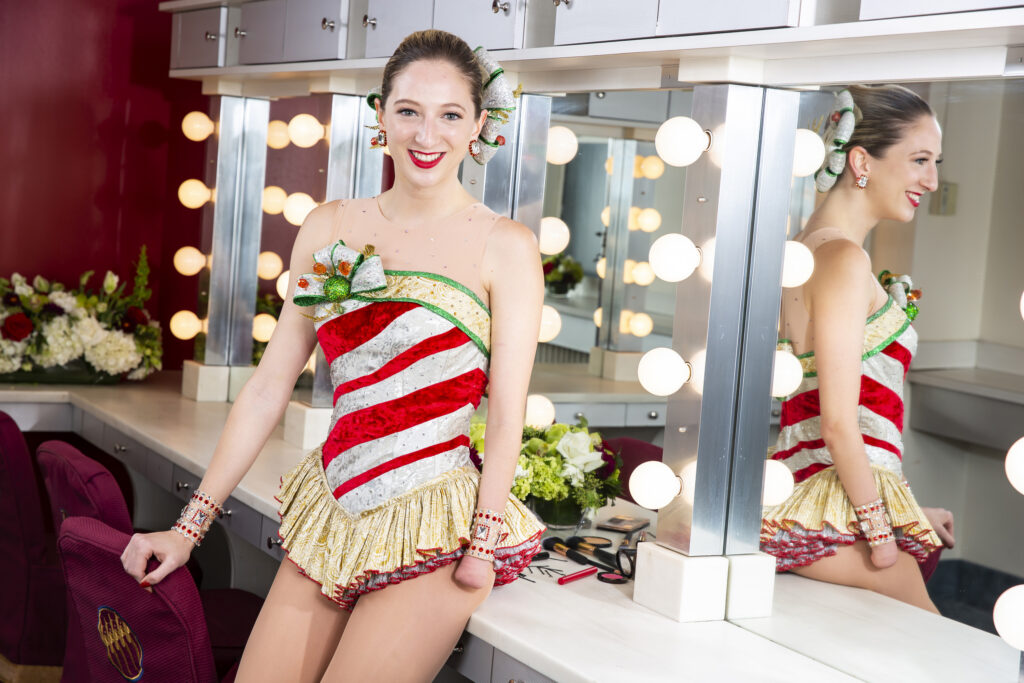
No matter where you take ballet class, it always begins with the same direction: “One hand on the barre.” It’s an aspect of ballet instruction that most teachers and students don’t even think about. But for dancers like Sydney Mesher—who in 2019 became the first Radio City Rockette with a visible disability—that seemingly simple command can present a challenge even before the exercises begin.
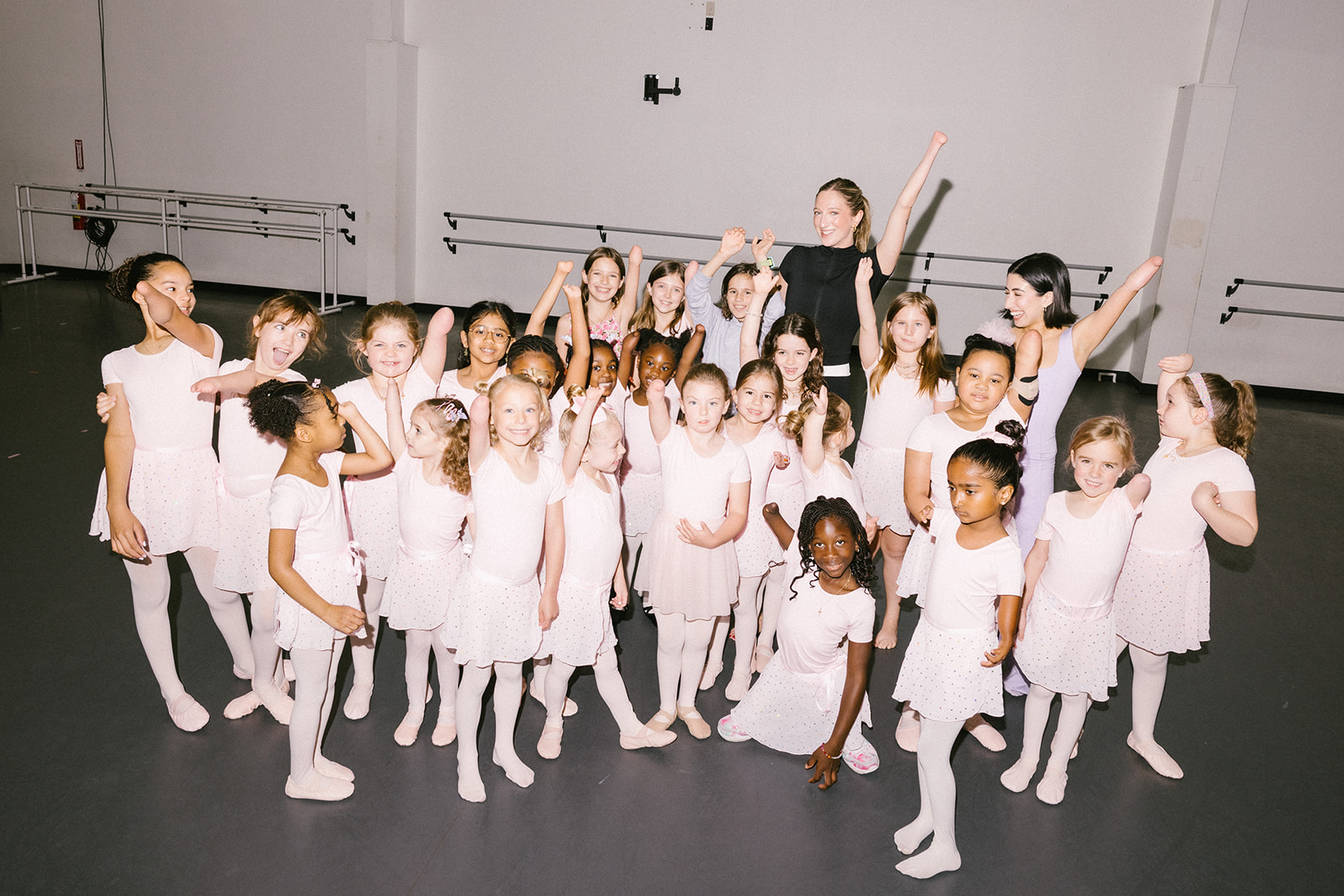
Mesher, who was born without a left hand, has taught dance classes for years, but the complications of doing barre work with a limb difference is something that never came up for her as an instructor before. That changed on April 19, when Mesher was invited by Disabled& to guest-teach a ballet class in Nashville during a weekend retreat for girls with limb differences. For the first time, Mesher found herself teaching other girls with disabilities how to navigate this fundamental part of dance training: holding on to a barre. It was a full-circle moment that caught Mesher off guard.
“I really, immediately, got emotional,” Mesher tells Dance Teacher. “It was in that moment that I realized, ‘Oh, this is something that I’ve never talked about or had a conversation with anyone about.’ So I was processing a lot of those emotions while trying to teach.”
As a little girl growing up in Portland, Oregon, Mesher dreamed of becoming a professional dancer, and while she never had her sights set on a classical ballet career, Mesher knew that ballet classes, including barre, were an important tool for building her technique. Although barre exercises on her left side were difficult, Mesher says that as a kid she was extra-cognizant of “ballet etiquette.”
“I always tried to, as a dancer I think does, stay in their lane and not be disrespectful,” Mesher says. “And so I would hold on to the barre even if it felt uncomfortable for me.”
She tried grabbing on with her left wrist, but that didn’t provide adequate stability, especially for exercises like pirouettes at the barre or combinations that move forward and backward. As she got older, Mesher gradually developed the confidence to make the adjustments she needed to perform barre exercises on the left, such as facing the barre or holding on with her right hand at a diagonal.
“I realized, ‘These are modifications that I need for my body,’ ” Mesher explains. “But it was not something that I experienced at a young age in my developmental training.”
So when it came time to begin barre at the Disabled& class—teaching a room of little girls with limb differences, some of whom had never taken a ballet class before—Mesher saw an opportunity to pass along that confidence.
“I just explained to these girls, ‘This is the traditional [ballet barre] structure. That being said, I want you to feel empowered, and here is your permission: If you need to face the barre differently and hold on to the barre differently, that is okay. And nobody might ever say that to you again, but if you need to hold on to the barre differently, it is okay.’ ”
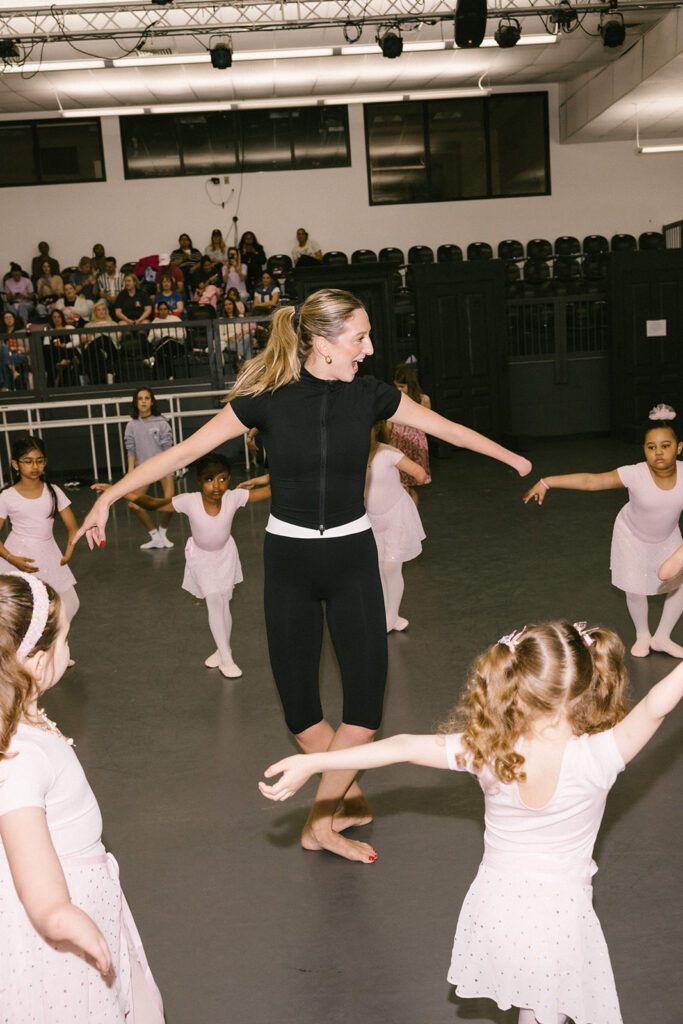
She then gave her students a few minutes to experiment and find the method that worked best for them, and Mesher also needed a minute to process the moment for herself. “It felt like an accumulation of a lot of things that I’ve been working for in this life,” she says.
Mesher was in tears during that teaching moment, but she wasn’t the only one. “There wasn’t a dry eye in that place,” recalls Janine Wolf, whose 5-year-old daughter, Kelsea, was a student in the class. “I get emotional thinking about it.”
Kelsea, who was born with a limb difference in her right hand, had already known Mesher for a few years before participating in the Disabled& ballet class. (On a whim, Wolf had sent Mesher a message on Instagram before taking Kelsea to see her perform with the Rockettes, and, to Wolf’s surprise, Mesher messaged back right away. They’ve kept in touch ever since.)
But Wolf tells Dance Teacher that something about that moment at the barre was unique: “I took away so much from the experience, even if my daughter didn’t fully understand it in the same way yet,” she says. “For [Kelsea], it’s simple: It’s pure joy, excitement, and someone she truly admires. It means the world to her. For me, I am able to see the deeper impact: the confidence it builds, the importance of representation, and the reminder that she can move through life without limits.”

Mesher knows that dance instructors often worry that they aren’t doing enough for their students, so she hopes teachers will start by giving themselves some grace. To help make class more welcoming for students with limb differences (or any differences that may feel like a barrier to participating in a dance class), Mesher suggests allowing them to explore modifications on their own; then, once you’ve established a relationship, try talking to them about ways you might help.
And her advice for young people with limb differences or other disabilities? “If you feel like you want to dance, you should go dance,” Mesher says. “Yes, it might take some uncomfortable moments and uncomfortable conversations, but if you feel called to dance, you should absolutely follow that call.”


