Remembering Kitty Lunn (1950–2026)


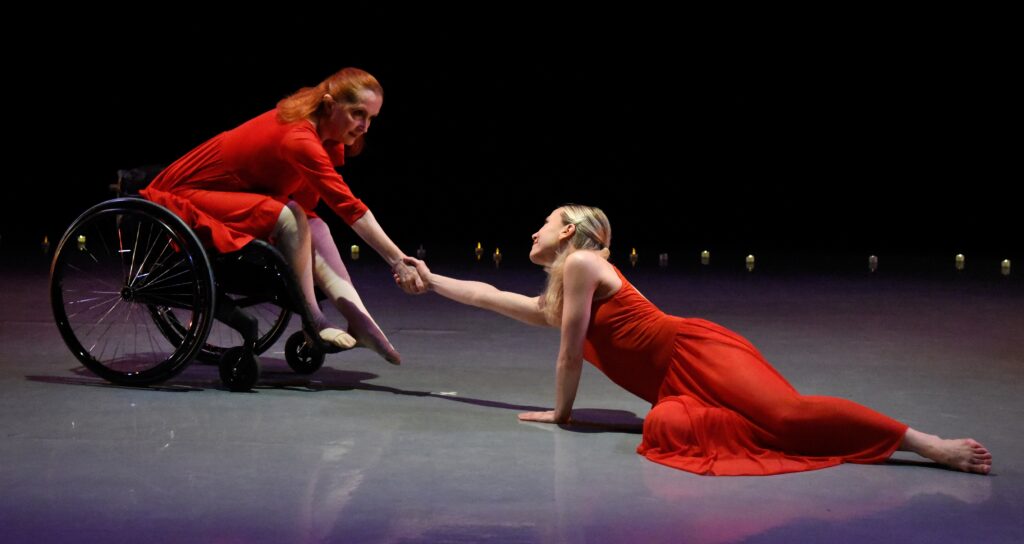
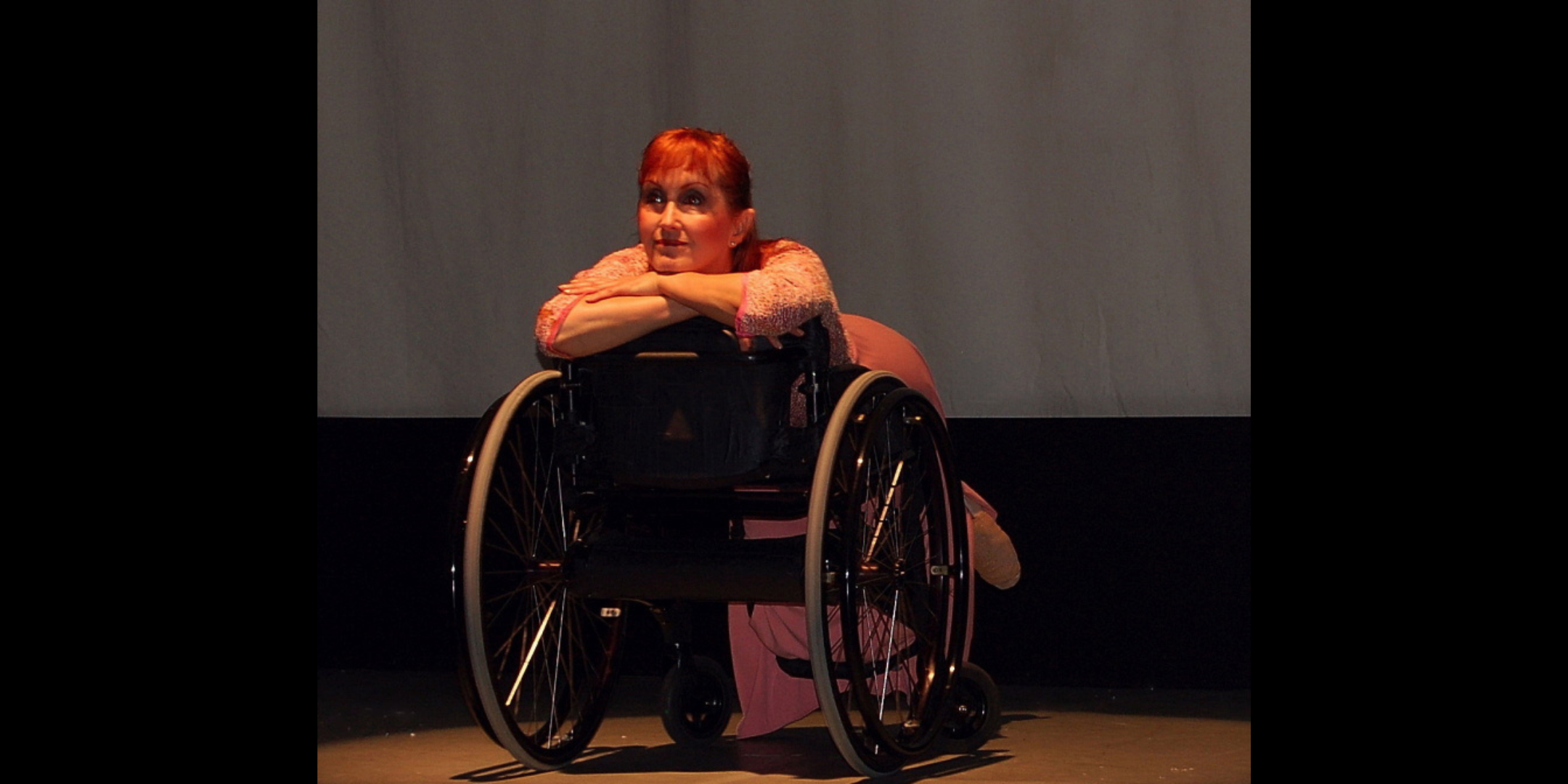
Trailblazing artist, educator, and disability-rights activist Kitty Lunn passed away on August 18 at her home in New York City. She was 76. Lunn’s legacy will continue in the transpositions of ballet, Horton, and Graham technique that she created for dancers with disabilities, and in the works she choreographed for Infinity Dance Theater, the company she founded in 1995. Lunn led by example: She shared her sense of resilience, creativity, and discipline with students of all abilities, transforming the dance world’s understanding of who belongs.
Lunn was born in New Orleans on August 5, 1950. She fell in love with ballet at the age of 8 after seeing a screening of The Red Shoes. She made her professional debut at 15 as Swanhilda in the New Orleans Civic Ballet’s production of Coppélia, and was then awarded a scholarship to study with Mary Day and Edward Caton at the Washington School of Ballet. In Washington, DC, Lunn performed the classics and took classes with luminaries including Martha Graham, Agnes de Mille, José Limón, and Erik Bruhn. In an oft-shared memory, Lunn, who was petite, recalled asking de Mille if she should undergo a limb-lengthening surgery, to which de Mille presciently responded, “You have to learn to dance in the body you have.”
In 1987, while living in New York City and in rehearsals for her first Broadway show, Lunn slipped on ice and fell down a flight of stairs, resulting in a spinal cord injury that left her paraplegic. In a 2023 interview with Dance Teacher, Lunn reflected on the three years that followed, spent in and out of the hospital undergoing spinal surgeries. “I thought my dancing days were over,” she said. “I contemplated taking my own life. Because if I wasn’t a dancer, I didn’t know who I was anymore. I felt like my identity had been stripped away from me.”
Eventually, Lunn realized that the only person stopping her from reclaiming that identity was herself. She worked diligently with physical therapist Shaw Bronner and eventually returned to ballet class; this time, in her wheelchair. “After class, I would come home and write down the transpositions that I had made,” Lunn told Dance Teacher. “Finally, I got all the way through a class, including petit allégro and grand allégro, and I started taking class every day.” Lunn’s husband, actor Andrew MacMillan, who died in 2016, made sure Lunn had the tools she needed by learning to build and optimize wheelchairs for dance. Later, he’d do the same for many of Lunn’s students.
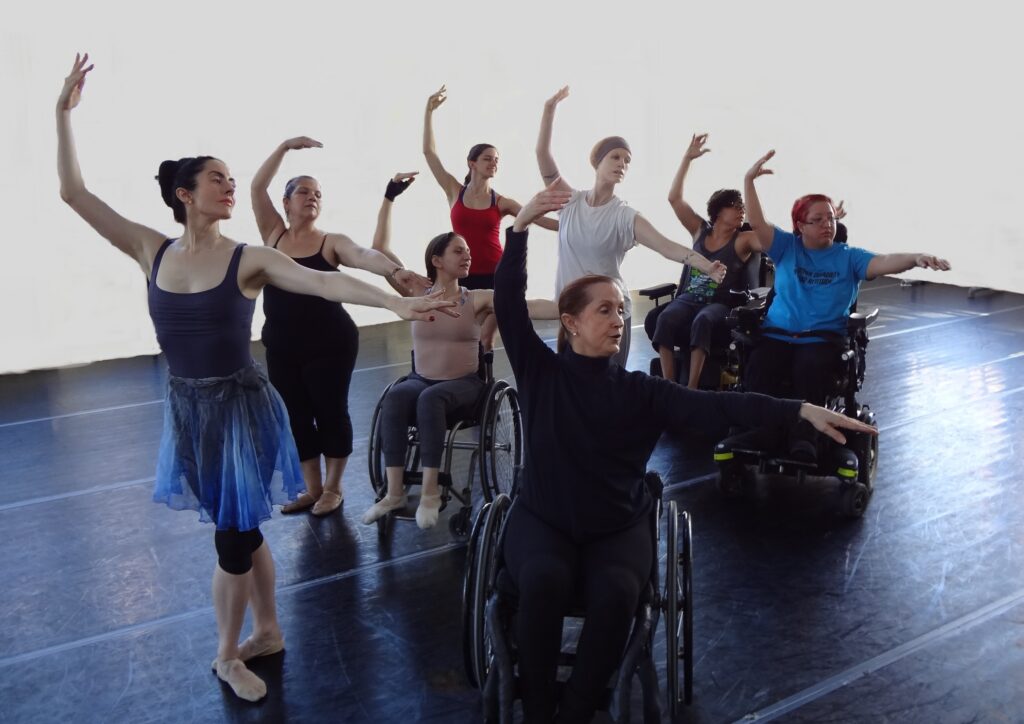
Lunn found herself a pioneer in the field of disability dance and started passing on her discoveries. She was a deeply committed educator: A member of Dance Teacher’s advisory board from 2022–24, Lunn taught workshops and classes at LaGuardia High School of Music and Art and Performing Arts, Hunter College, and Gibney Dance, among others. She created a national teacher-training program to share her method of transposing movement for wheelchair users, and, starting in 2007, she led weekly tuition-free classes for people with disabilities, transitioning them online during the COVID-19 pandemic and expanding her reach even further.
Lunn was a vital mentor to Marc Brew and Alice Sheppard, both leading disability artists of today. “Kitty’s legacy speaks for itself through the former students who have gone on to lead dance companies and innovative dance-education initiatives,” says Chris Frerichs, Lunn’s longtime manager. “Kitty was ahead of her time by asserting that before you can achieve programmatic access for people with physical disabilities, you must first address the significant gaps in access to the education and training necessary to pursue a career as a professional dancer.”
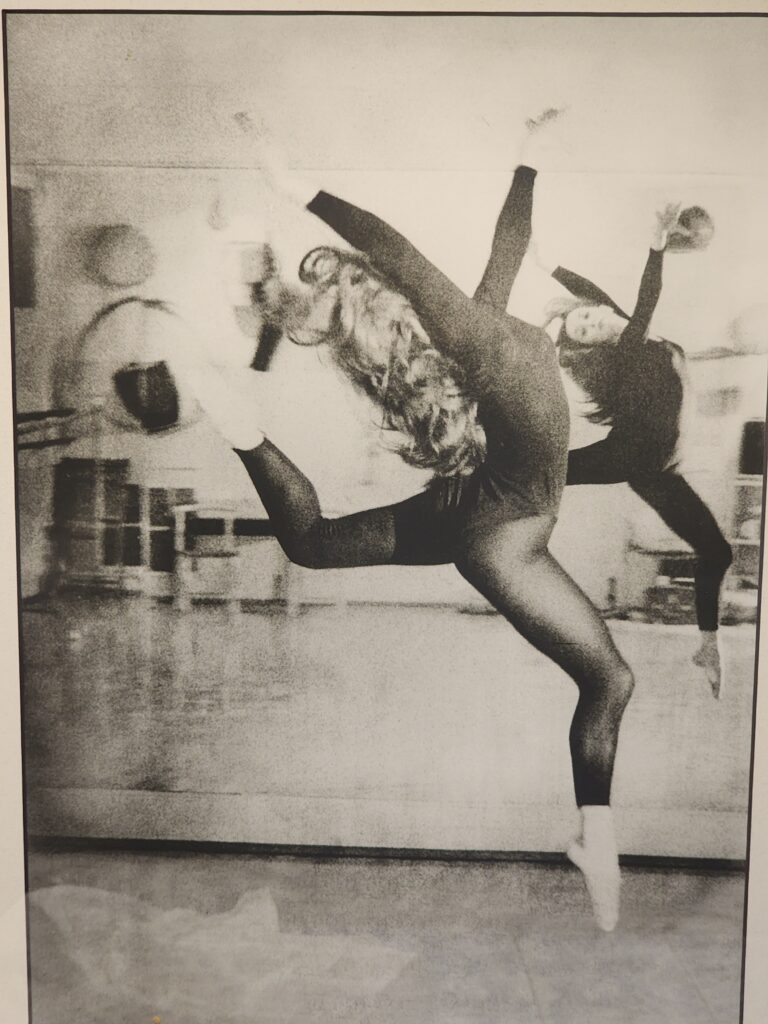
A consummate multi-hyphenate, Lunn shone as an artist and an activist. She appeared in plays at the Public Theater and the Kennedy Center, and in a recurring role in the daytime television drama “As the World Turns.” As a Councilor for the Actors’ Equity Association, Lunn’s advocacy helped put in place requirements for accessible location options for auditions, and requirements that actors with disabilities be notified first for auditions for characters with disabilities.
Lunn also continued performing with and choreographing for Infinity Dance Theater, her troupe for dancers both with and without disabilities. Infinity Dance graced stages around New York City and toured nationally and internationally. Dance artist, educator, and choreographer Alison Cook Beatty, whose own dance company frequently collaborated with Lunn’s, remembers one performance in which the companies shared the stage at The Riverside Theatre. “That was Kitty’s vision: Dancers with and without disabilities training, creating, and performing together—not separated into different worlds,” says Beatty. “Kitty opened doors. But even more importantly, she opened minds.”