Preparing Classical Dancers for Contemporary Repertoire

Growing up, I trained in ballet while dabbling in the competition circuit. This gave me a deep appreciation for stylistic diversity and led to a career with both classical and contemporary ballet troupes. After retiring, I naturally gravitated toward the intersection of these two styles in my work as a choreographer and educator. In these roles, I’ve worked to dispel confusion about what defines contemporary movement, while also preparing dancers to be adaptable to the demands of today’s repertoire.
Over the past decade, I’ve found purpose in helping dancers learn to move outside their classical comfort zones, and I am often asked for best practices on how to instill versatility. Traditionally, classically trained dancers often acquired contemporary skills on the job by immersing themselves in professional repertoire or working with choreographers in the creation process. Yet now, as companies program increasingly diverse works, young dancers are expected to come in already able to adapt across multiple styles. A strong base in contemporary movement, once considered a helpful asset, is now practically a prerequisite.
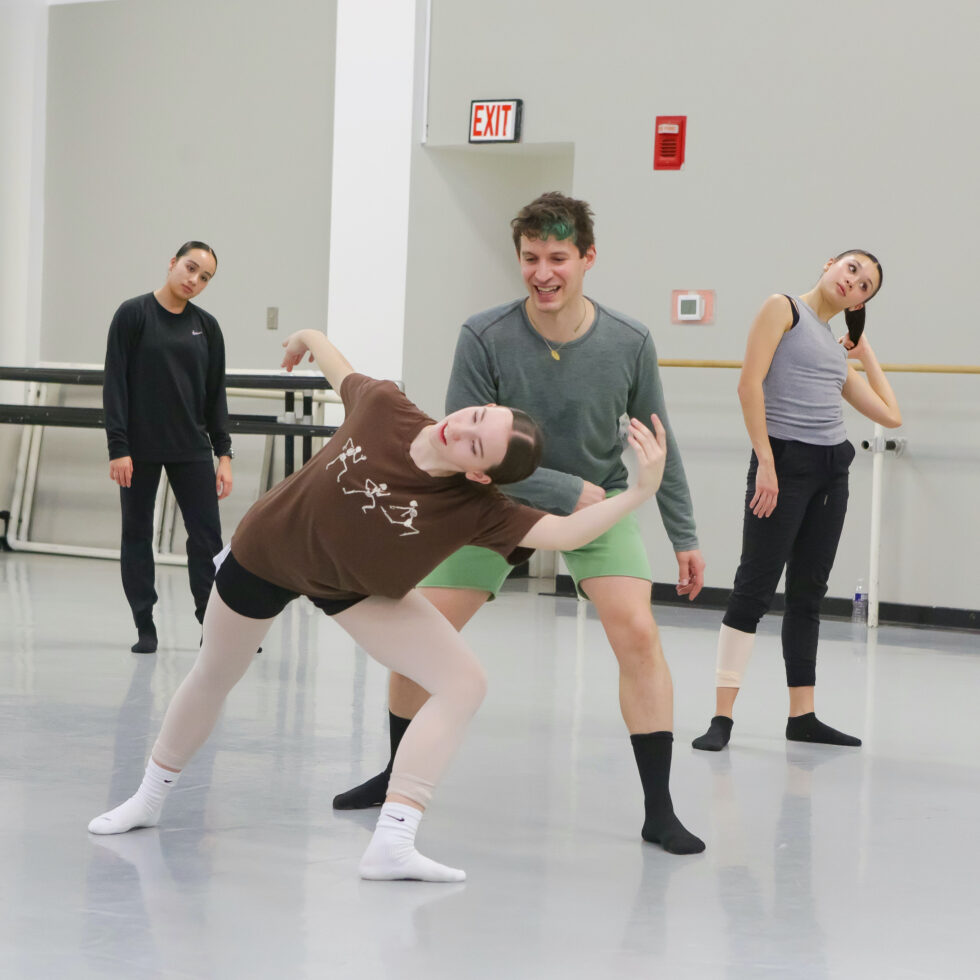
Yet, despite these heightened expectations, confusion persists around how to define “contemporary dance,” the styles that influence it, and how to best prepare dancers to move seamlessly between classical technique and contemporary ideologies. One may be surprised to learn that it is not necessary to rely on a single teacher or methodology to facilitate understanding of this ever-evolving dance style.
What Is Contemporary Dance?
The Oxford English Dictionary defines “contemporary” as “belonging to or occurring in the present.” Taken literally, this suggests contemporary dance is simply any movement created today, regardless of technique. While helpful, this doesn’t clarify its defining characteristics or guide education. Must dancers break free from classical structures, like an upright spine or turned-out leg positions, to exist within the realm of contemporary dance?
“It can be difficult to give a concrete definition,” says choreographer Alejandro Cerrudo, artistic director of Charlotte Ballet. “We know when dance is not classical ballet or modern, but contemporary dance is so broad.”
Cerrudo’s interest in contemporary dance started to grow when he was first introduced to Jiří Kylián’s choreography, and then auditioned for Nederlands Dans Theater II. “Jiří Kylián’s work blew my mind,” he says. “I could see that he was using a classical base, yet, he would take movement somewhere completely different. It was informed by ballet, but it wasn’t confined by its rules.”
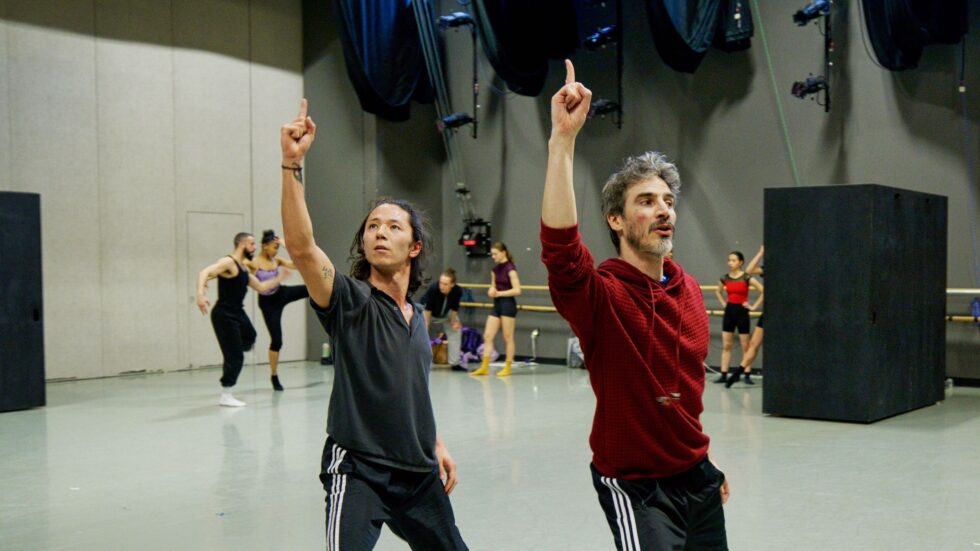
Pacific Northwest Ballet principal Elle Macy, who excels in contemporary movement and has danced a large range of works by choreographers like Cerrudo, David Dawson, William Forsythe, and Crystal Pite, offers additional insight. “Contemporary dance pulls from many genres of movement, including ballet, modern, jazz, folk dances, street styles, and more. Contemporary ballet involves movement with classical ballet technique, while contemporary modern pulls from modern dance foundations. Regardless of their differences, both include contemporary ideals influenced by each choreographer’s culture and lived experience. It occurs in the present, so it has an evolving nature.”
This perspective helps explain why contemporary works may feel related when built from the same foundational style, or appear entirely different when rooted in diverse techniques.
Are Modern and Contemporary Dance the Same?
One common confusion surrounding the contemporary genre is its relationship to modern dance. While they share similar definitions, at this point modern dance is more distinct. Many assume contemporary is rooted in modern principles, but that is not always the case.
Modern-dance pioneer Isadora Duncan rejected classical ballet’s rigid structure in favor of exploring her own movement impulses. Later figures, including Martha Graham and Lester Horton, expanded on her legacy by creating codified techniques derived from their personal movement styles.
Over time however, artists like Merce Cunningham and Judson Dance Theater began eschewing those techniques in favor of more avant-garde exploration. And while this revolution evolved and broke away from earlier modern conventions, this postmodern movement is still not the foundation for contemporary dance.
Both modern and contemporary dance share similar origins in being shaped by previous training, culture and lived experience, and personal expression. But while elements of modern may influence contemporary dance, the two are not one and the same.
The Influence of Contemporary Dance on Ballet
Ballet’s spectrum, like modern dance, has evolved through overlapping phases. While there are clearly defined stylistic periods (like classical, neoclassical, and contemporary), the boundaries between them remain unclear.
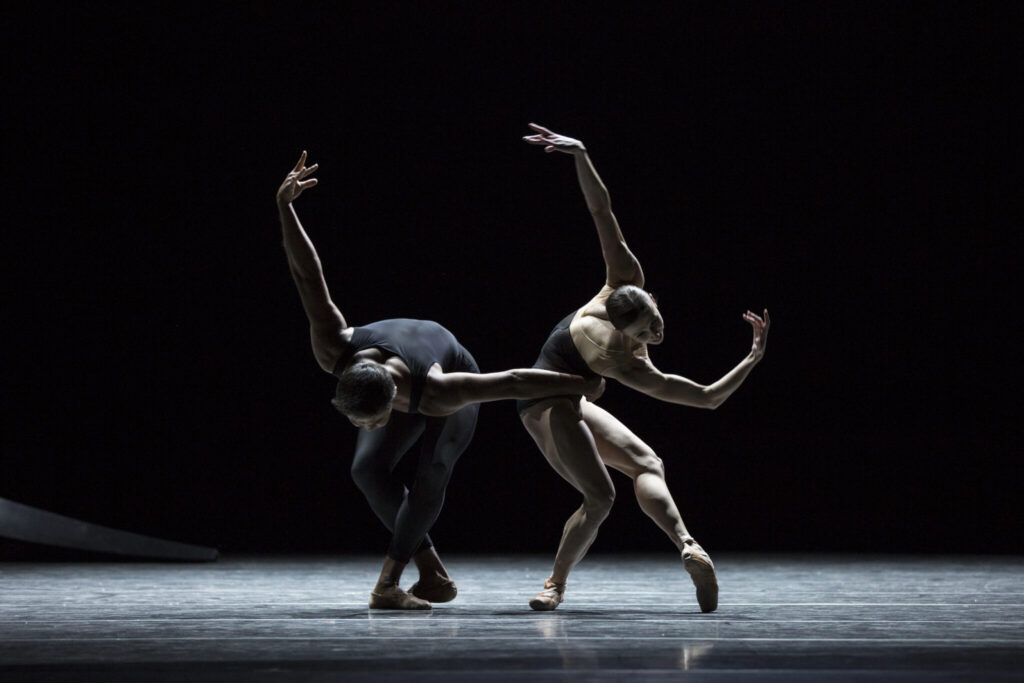
George Balanchine pioneered neoclassical ballet by breaking traditional rules, allowing off-center movement and exaggerated lines, and using nonclassical music. But the concept of contemporary ballet started forming as choreographers like Kylián and William Forsythe expanded on Balanchine’s innovations by further distorting the classical framework, pushing flexibility towards contortion, and borrowing from elements of modern dance.
The distinction between neoclassical and contemporary ballet remains blurry; in fact, Cerrudo doesn’t feel there’s much difference. “In general, neoclassical is more structured than contemporary ballet—the keyword here is ‘ballet,’ ” he says. “I consider there is a big difference between contemporary ballet and contemporary dance.”
He explains that there must be consistent, recognizable influences drawing inspiration from classical steps and lines in order for something to be considered contemporary ballet. “While dancers aren’t required to wear pointe shoes, the work must be consistently informed by classical ballet.”
Teaching Contemporary to Ballet Dancers
Given the genre’s broad, amorphous nature, organizations often struggle, understandably, to determine the necessary tools to prepare dancers for contemporary choreography. Classical ballet is conveyed through clearly codified techniques including Vaganova, Cecchetti, and Royal Academy of Dance. Yet, despite the rise of contemporary methodologies like Release Technique, Gaga, and Countertechnique, a lack of universal principles makes it difficult to establish standardized training.
“Ballet institutions are doing their best to teach contemporary practices alongside classical technique,” says Macy, who teaches ballet and Luigi jazz classes during company layoffs. “But curriculums need to continuously evolve to inform dancers of what is needed today and in the future.”
She also recommends exposing dancers to a range of choreographers, and offering short-term, focused studies across genres. Macy herself was exposed to various dance forms as a student. “Learning multiple viewpoints of movement taught me to remain open-minded.”
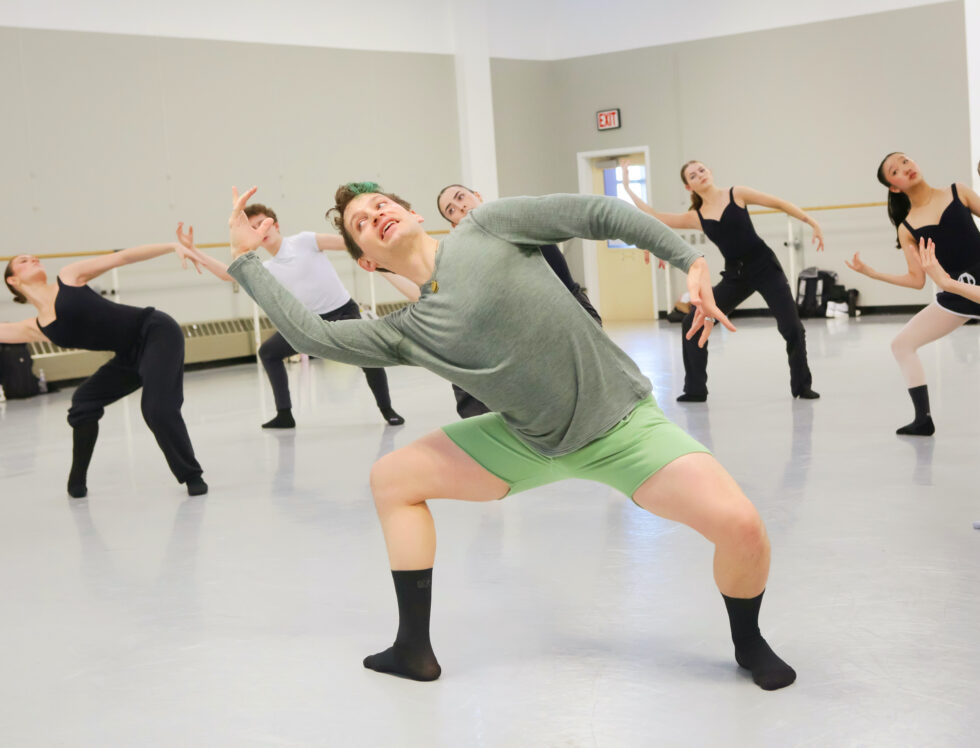
Cerrudo, who actively seeks versatile dancers for his company, agrees, saying contemporary movement is so broad that it can be hard to study. “I receive audition videos of dancers learning early Forsythe, which is a good place to start.” He also recommends exposing oneself to as much dance as possible through intensives and watching live and recorded performances.
“The path to success in contemporary dance lies in developing an attitude that is open to new information and being able to translate movement outside of one’s main vocabulary,” Cerrudo continues. “That’s a real skill dancers can, and should, develop.”
While contemporary dance is quite wide-ranging, studying it shouldn’t feel overwhelming or impossible. Rather, it shows how honing in on one foundational movement language, while remaining open to a range of other vocabularies, can be a helpful strategy for students. Success here depends less on mastering multiple dance styles and more on curiosity, a willingness to explore different perspectives, and rapid translation of alternative movement into one’s own body.