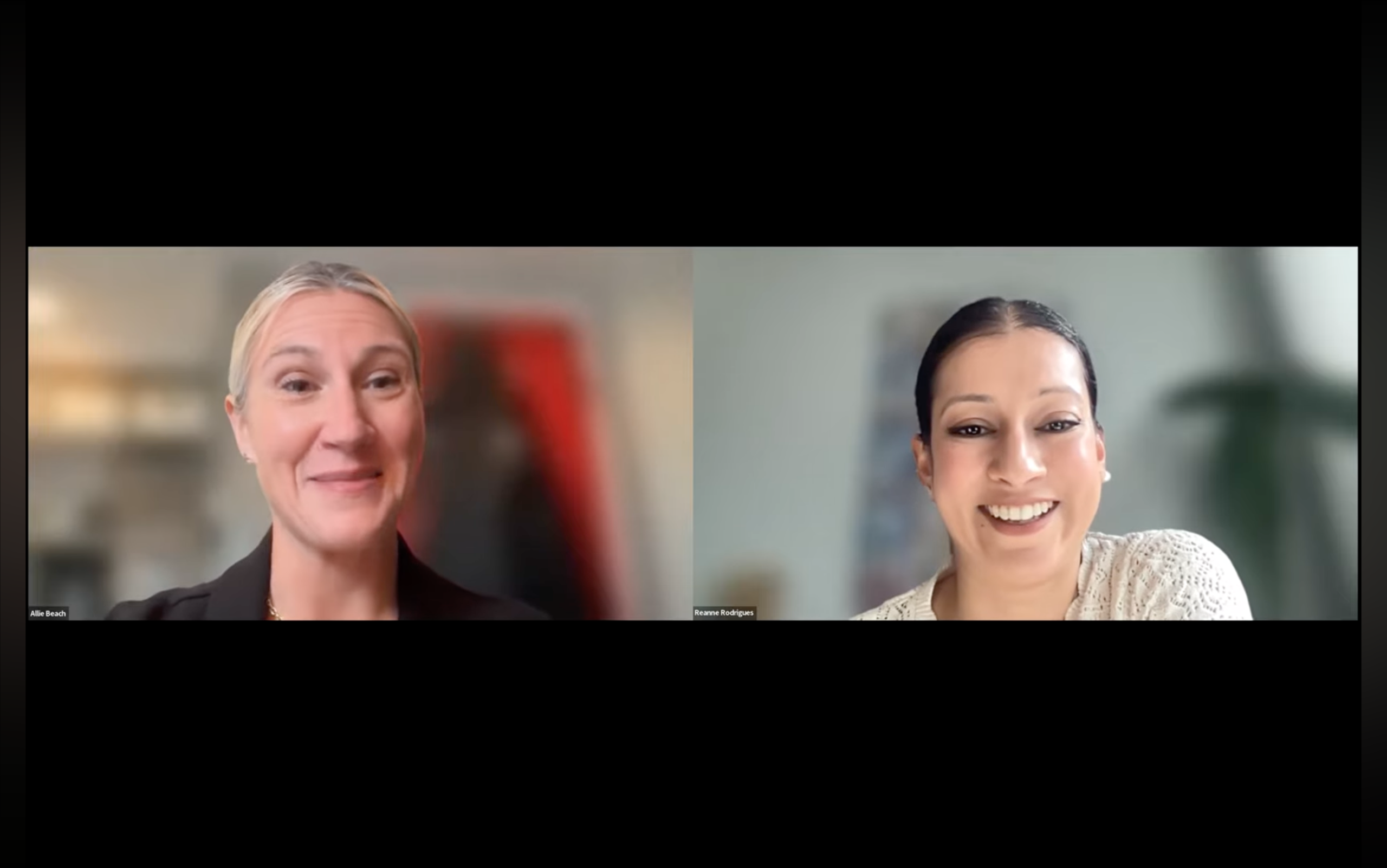
Watch DT+ Teacher Talk: “Filming in the Studio” with Allie Beach

November 12, 2026
In this exclusive DT+ Teacher Talk, Dance Teacher‘s editor in chief, Reanne Rodrigues, joins Broadway Dance Center’s director of education, Allie Beach, to discuss how studios can set clear filming policies, establish privacy and consent guidelines, navigate boundary-setting conversations, and create alternatives to in-class filming.
10 Takeaways for Dance Teachers and Studio Owners
- Give every recording a purpose.
Whether students are reviewing choreography, checking technique, or preparing for auditions, filming should support a specific learning goal—not simply create content. - Know when to put the camera away.
Recording should never interrupt instruction or take priority over learning. Designate appropriate times for filming so students can stay focused and engaged. - Help students develop a healthy relationship with the camera.
Encourage dancers to use video as a tool for self-reflection and growth, rather than obsessing over their appearance, mistakes, or getting the perfect take. - Set expectations around filming before problems arise.
Students, parents, and faculty should understand when recording is permitted, who can film, and how footage may be used or shared. - Make consent a priority—not an afterthought.
Obtain written permission before recording or sharing footage, and establish a clear process for those who do not wish to be filmed. - Make opting out a genuine choice.
Students should never feel that declining to be filmed will affect their casting, placement, solos, or other opportunities. - Protect students’ privacy, especially minors.
Be thoughtful about what is shared online. Avoid posting identifiable students without permission, sharing children’s full names, or tagging studio locations in real time. - Establish boundaries between personal and studio content.
Clarify who has permission to record and post classroom footage, how choreography and studio content should be credited, and who owns or can use recorded material. - Communicate policies to everyone involved.
A filming policy only works when students, families, teachers, and staff understand it. Share expectations in advance, provide guidance to faculty, and address violations consistently and privately. - Revisit your filming policy regularly.
Social media platforms and recording practices continue to evolve. Review studio guidelines annually and whenever new concerns arise to ensure they remain relevant and effective.